


TL;DR: Choosing dinner for tonight can be difficult when there is little time to plan or cook. Many people are not looking for new recipes or complex meals.
Choosing dinner for tonight can be difficult when there is little time to plan or cook. Many people are not looking for new recipes or complex meals. They need a way to decide what kind of dinner makes sense given the time, ingredients, and energy available.
This article explains how to think about dinner ideas for tonight when hours are not available. It focuses on decision logic rather than cooking instructions, helping busy households narrow choices quickly and realistically.
Quick summary
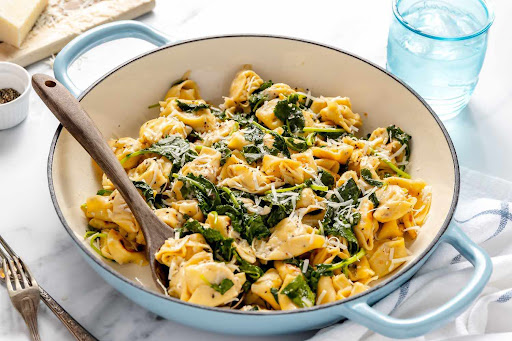
When time is limited, practical dinner ideas focus on short cooking time, familiar ingredients, and minimal steps. The fastest dinners are usually one-pan meals, simple combinations of foods already at home, or meals that require little active cooking. Avoid dinners that involve long preparation, multiple stages, or unfamiliar techniques.
What “dinner ideas for tonight” means in time-limited situations
Dinner ideas for tonight are different from general meal planning. The phrase usually implies urgency and limited flexibility.
Time expectations are the first constraint. For most busy households, “tonight” means dinner needs to be ready within 20 to 40 minutes, including preparation. Anything longer often creates stress or leads to last-minute changes.
Ingredient availability is another limit. Practical dinner ideas rely on ingredients that are already in the kitchen or can be prepared without extra shopping. Meals that depend on specialty items are harder to execute quickly.
Cooking effort also matters. After a long day, many people prefer dinners that require less attention while cooking. Meals that can be left to cook on their own are often more manageable.
Understanding these limits helps narrow dinner choices before thinking about specific foods.
Fast dinner categories that work on busy nights
Some types of dinners consistently work better when time is short. These categories reduce decisions and cooking steps.
One-pan or one-pot meals
One-pan meals simplify cooking by keeping everything in one place. Fewer pans mean less cleanup and fewer timing issues. These meals usually involve cooking ingredients together or in sequence in the same pan.
Because everything stays in one vessel, it is easier to monitor progress and adjust heat if needed. This makes one-pan dinners a common choice on busy nights.
Short cook-time meals
Some meals cook quickly by design. Foods that cook in under 15 minutes allow dinner to be ready without extended waiting. These meals are useful when time is tight but some cooking is still possible.
Short cook-time dinners often rely on small portions, thin cuts, or pre-prepared ingredients. The key factor is limited active cooking time.
No-cook or minimal-cook dinners
Not all dinners require full cooking. Meals that use pre-cooked components or raw ingredients reduce time spent at the stove. These dinners are especially useful when energy levels are low.
Minimal-cook dinners shift effort from cooking to assembly, which is often faster and more predictable.
Dinner ideas based on what you already have at home
Another way to decide dinner quickly is to start with available ingredients rather than meal ideas.
Pantry-based dinners
Pantry items like pasta, rice, canned foods, and dry grains are common foundations for fast dinners. These items store well and can be combined in simple ways.
Pantry-based dinners work best when paired with a small number of fresh or frozen ingredients. This limits preparation while still producing a complete meal.
Refrigerator-based dinners
Refrigerators often contain ingredients that need to be used soon. Quick dinners can be built around vegetables, cooked proteins, or prepared sauces already on hand.
Using refrigerator ingredients reduces waste and removes the need for extra planning. These dinners are often flexible and can be adjusted based on quantity and freshness.
Freezer-supported dinners
Freezers provide backup options for busy nights. Frozen vegetables, proteins, or prepared items reduce preparation time and extend ingredient availability.
Freezer-supported dinners are useful when fresh ingredients are limited or when shopping has not been done recently.
When takeout-style meals can be cooked quickly at home
Some dinners are inspired by common takeout meals but simplified for home cooking. These options work when familiarity is more important than precision.
Takeout-style dinners at home usually focus on a single main component and avoid extra sides or sauces. The goal is not to recreate restaurant food exactly, but to achieve a similar structure with fewer steps.
These meals often rely on known flavors, which reduces decision fatigue. Familiarity helps people commit to a dinner choice faster.
What to avoid when choosing a quick dinner
Some dinner choices consistently create problems on busy nights.
Meals with long cook times are one issue. Even if preparation is simple, waiting for food to cook can delay dinner beyond what is practical.
Multi-stage meals are another problem. Dishes that require separate cooking processes increase the chance of timing errors and frustration.
Trying new techniques late in the day also adds risk. Unfamiliar methods often require more attention and adjustment than expected.
Avoiding these types of dinners helps keep evening meals predictable and manageable.
How fast dinner decisions reduce stress
The difficulty of dinner is often the decision itself, not the cooking. When too many options are considered, it becomes harder to choose.
Using clear categories, such as one-pan meals or pantry-based dinners, limits choices early. This makes it easier to commit to a direction and move forward.
Fast decisions also reduce the temptation to delay dinner or replace it with less intentional options. A simple decision framework supports consistency, even on busy nights.
What this article does not cover
This article does not provide step-by-step recipes or cooking instructions. It does not include weekly meal planning, shopping lists, or nutritional guidance.
It also does not focus on specific cuisines or advanced cooking methods. The scope is limited to helping households decide what kind of dinner makes sense tonight when time is limited.
Conclusion: making faster dinner decisions at home
Practical dinner ideas for tonight depend on realistic limits. Time, ingredients, and energy all shape what is possible on a given evening. By focusing on simple dinner categories and using what is already available, busy households can reduce decision time and avoid unnecessary complexity.
Choosing the right type of dinner matters more than choosing a specific dish. This approach helps dinner fit into the evening instead of competing with it.
This article is part of a broader set of practical home cooking resources by Your Cooking Expert, which focuses on clear decision-making around everyday meals rather than complex preparation.
Related Blogs:
- Essential Cooking Tips for Everyday Home Cooking
- Easy Cooking Recipes Anyone Can Make at Home
- Cooking for Beginners: Where to Start and What to Cook
Resources:
- USDA – Kitchen Food Safety Basics
Used to support safe handling when cooking quickly.
- CDC – Food Safety for Busy Home Cooks
Reinforces safe shortcuts and common mistakes.
- BBC Good Food – Simple Cooking Methods Explained
Used to define one-pan, stovetop, and oven cooking at a high level.
- FDA – Safe Minimum Cooking Temperatures
Supports understanding doneness without recipes.
- Serious Eats – Overview of Cooking Techniques
Used only for explaining why some methods are faster than others.
- Harvard T.H. Chan – Practical Home Cooking Concepts
Supports general understanding of meal preparation at home.
