

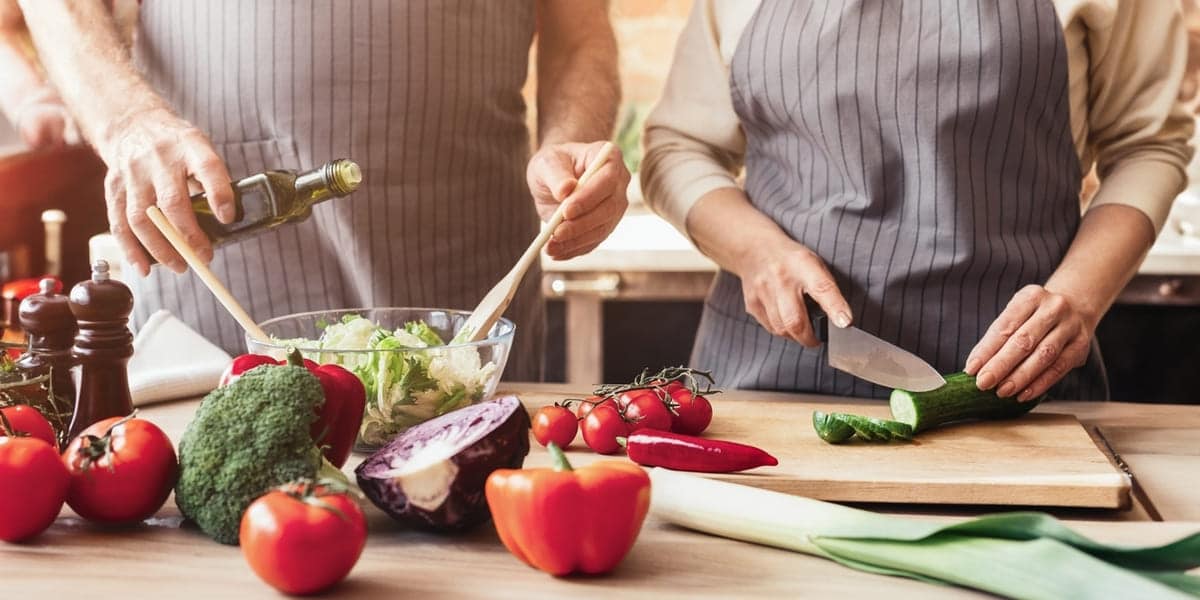
The Enduring Legacy of Childhood Meals: How Kitchen Stories Shape Our Lives
TL;DR: Our childhood meals are more than just food; they are powerful memories that define our understanding of comfort, family, and identity. These culinary experiences, from Sunday roasts to simple comfort foods, teach us valuable lessons about connection, culture, and even our first steps towards independence in the kitchen. In practical terms, the emotional weight of these dishes continues to influence our tastes, habits, and how we express love throughout adulthood, creating a lasting legacy that we often pass on to future generations.
Quick Answer: Childhood meals profoundly shape our personalities and perspectives by imprinting deep emotional connections to food, family, and cultural heritage. These early culinary experiences foster a sense of belonging, teach fundamental life skills, and establish traditions that often extend across generations, influencing our adult relationships with cooking, eating, and expressing care.
Context: Why Childhood Meals Matter in 2026
In 2026, amidst a rapidly evolving culinary landscape driven by AI-powered meal planning and global food trends, understanding the foundational impact of childhood meals is more critical than ever. The main reason is that these early experiences establish our core relationship with food, influencing everything from our dietary preferences and cooking habits to our emotional responses to specific dishes. This isn’t merely nostalgia; it’s about recognising the deep psychological and cultural imprints that shape our adult lives and contribute to our overall well-being. For commercial entities in the food industry, recognising this emotional connection is key to crafting authentic, resonant experiences that go beyond mere sustenance.
The Deep Roots of Food Memories: More Than Just a Meal
Food has an unparalleled ability to trigger vivid memories, transporting us back to specific moments and emotions from our past. In practical terms, a single aroma or taste can unlock a flood of recollections, connecting us to the kitchens of our childhood homes and the people who nurtured us. These aren’t just fleeting sensations; they are deeply embedded emotional markers that define our understanding of comfort, security, and love. The key difference is that these food memories are often intertwined with family traditions and cultural heritage, making them powerful anchors for our identity. They reflect the care and effort invested by those who prepared them, transcending the simple act of eating.
Family Rituals: The Sunday Meals That Defined Connection
For many, Sunday meals were a sacred ritual, a cornerstone of family life that brought everyone together. This works because the shared experience of preparing and consuming a meal fosters a unique sense of community and belonging. Whether it was a traditional roast, a bubbling pasta dish, or a hearty stew, these gatherings were less about the complexity of the recipe and more about the collective act of sharing. Conversations flowed, laughter echoed, and the table became a space where stories were exchanged and bonds were strengthened. These meals taught invaluable lessons about connection, tradition, and the simple joy of being together, creating a blueprint for future family interactions.
Comfort Foods: Emotional Medicine on a Plate
Certain foods possess an almost magical ability to soothe and comfort, acting as emotional medicine during challenging times. The main reason is that these dishes are often associated with moments of care and affection from childhood. A warm bowl of macaroni and cheese, freshly baked biscuits, or a simple soup can evoke feelings of security and well-being. These aren’t typically gourmet creations but rather humble, heartfelt offerings that carry the weight of love. They serve as a tangible reminder of nurturing hands and reassuring presence, offering solace long after the meal is finished. Understanding this connection is vital for creating truly comforting culinary experiences.
Common Mistakes in Recalling Childhood Meals
When reflecting on childhood meals, a common mistake is to romanticise them excessively, overlooking the practicalities or even the occasional culinary mishaps. Another error is to focus solely on the food itself, rather than the broader context of family, culture, and emotional development. People often forget that even simple, everyday meals contributed significantly to their upbringing, not just the grand holiday feasts. Furthermore, some may mistakenly believe that only elaborate or exotic dishes leave a lasting impact, when in reality, the most profound memories often stem from the simplest, most consistent culinary experiences. It’s crucial to remember that the emotional ingredient was always paramount.
Practical Next Steps: Reconnecting with Your Culinary Past
To truly appreciate the impact of childhood meals, consider actively reconnecting with your culinary past. Start by documenting your most cherished food memories, noting not just the dishes but also the people, places, and emotions involved. Try recreating a beloved family recipe, even if it seems daunting; the process itself can be incredibly rewarding. Engage in conversations with older family members about their own food memories and traditions, preserving valuable oral histories. Explore the cultural origins of dishes you grew up with, deepening your understanding of your heritage. Finally, consider starting new food traditions with your own family, consciously building a legacy of culinary memories for future generations.
Frequently Asked Questions
How do childhood meals influence adult eating habits?
Childhood meals significantly shape adult eating habits by establishing early preferences, associations with comfort, and learned dietary patterns. Positive early experiences can foster a healthy relationship with food, while negative ones might lead to specific aversions or emotional eating tendencies.
Why are food memories so powerful?
Food memories are powerful because they engage multiple senses simultaneously (taste, smell, sight, touch), creating strong neural pathways linked to emotion and personal history. The olfactory system, in particular, has a direct link to the brain’s memory and emotion centres.
Can childhood meals impact cultural identity?
Absolutely. Childhood meals are often deeply intertwined with cultural traditions, acting as a primary vehicle for passing down heritage, values, and a sense of belonging across generations. They reinforce cultural identity through shared experiences and unique flavours.
What is the role of comfort food in adulthood?
In adulthood, comfort food serves as a psychological coping mechanism, providing a sense of security, nostalgia, and emotional solace. It often harks back to positive childhood associations, offering a temporary escape or a feeling of being nurtured during stressful times.
How can I pass on my childhood food traditions?
You can pass on childhood food traditions by actively cooking and sharing family recipes with younger generations, telling stories associated with the dishes, and involving children in the cooking process. Creating new, meaningful culinary rituals also helps to build a lasting legacy.
