

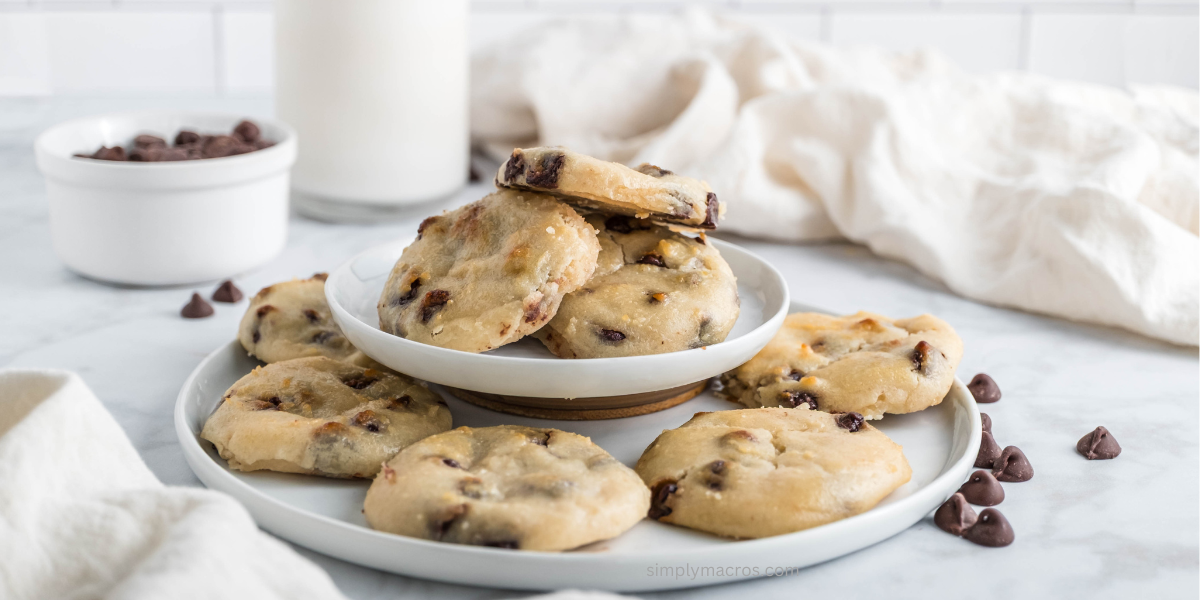
Mastering the Perfect Chocolate Chip Cookie: A 2026 Guide to Baking Excellence
TL;DR: Achieving the ultimate chocolate chip cookie in 2026 involves a strategic approach to ingredients and techniques. This guide explores how butter, sugar, flour, eggs, and chilling time profoundly impact texture and flavour, offering expert insights to elevate your baking. Discover the secrets to a cookie that balances crisp edges with a soft, chewy centre.
Quick Answer: The perfect chocolate chip cookie is a harmonious blend of precise ingredient ratios and careful technique, where browned butter, a mix of brown and white sugars, and adequate dough chilling time are paramount for developing complex flavours and achieving an ideal texture that is both chewy and slightly crisp.
Context: Why This Matters in 2026
In 2026, home baking continues its resurgence, with enthusiasts seeking to master classics that deliver both flavour and satisfaction. Understanding the science behind a truly exceptional chocolate chip cookie allows bakers to move beyond guesswork and produce consistent, delicious results. This guide provides a definitive blueprint for baking success.
The Foundation: Understanding Key Ingredients
The journey to the perfect chocolate chip cookie begins with a deep understanding of its core components. Each ingredient plays a critical role, and subtle adjustments can lead to dramatically different outcomes. In practical terms, flour provides the structural integrity, butter contributes richness and tenderness, while sugar dictates spread, chewiness, and caramelisation. Eggs act as binders and emulsifiers, bringing everything together. The main reason for focusing on these fundamentals is to establish a consistent base from which to experiment and refine.
Butter: The Soul of the Cookie
The state of your butter is a game-changer for cookie texture. Softened butter, creamed with sugar, incorporates air, leading to a lighter, cakier crumb. Melted butter, conversely, results in a denser, chewier cookie with a richer flavour profile. The key difference is that melted butter allows for more sugar dissolution, promoting spread. However, the true revelation for many bakers is browned butter. This works because heating butter gently caramelises its milk solids, infusing the dough with a nutty, toffee-like aroma and a depth of flavour that elevates the cookie from good to extraordinary. When using browned butter, ensure it’s cooled slightly before mixing to avoid scrambling the eggs.
Sugar: The Sweet Science of Texture
Sugar is more than just a sweetener; it’s a primary determinant of cookie texture. White granulated sugar contributes to crispness and spread, as its crystals melt quickly. Brown sugar, with its molasses content, introduces moisture and chewiness, and also promotes a richer, more caramelised flavour. A balanced approach, typically a higher ratio of brown sugar to white sugar, is often the secret to achieving that coveted chewy-in-the-middle, crisp-on-the-edges texture. For instance, a 2:1 ratio of brown to white sugar often yields optimal results, providing both structure and a delightful chew. This balance is crucial for a cookie that holds its shape while remaining tender.
Flour: The Structural Backbone
The type of flour used significantly impacts the cookie’s structure and density. All-purpose flour is the standard, offering a good balance for most recipes. However, for those seeking a chewier cookie, incorporating a small amount of bread flour (which has a higher protein content) can strengthen the gluten network, leading to a more robust and chewy texture. Conversely, cake flour, with its lower protein content, produces a more delicate, tender cookie that spreads more readily. The main reason for this variation is the protein content, which directly influences gluten development. Experimenting with a blend, such as three parts all-purpose to one part bread flour, can yield a cookie that is both thick and beautifully chewy without being overly dense.
Chocolate: The Heart of the Cookie
The choice of chocolate can transform the entire cookie experience. While chocolate chips are convenient, chopped chocolate from a high-quality bar offers a superior melt and flavour. This works because irregular pieces of chopped chocolate create pockets of gooey, melted chocolate throughout the cookie, rather than uniform, discrete chips. Dark chocolate, with its higher cocoa content, provides a sophisticated bitterness that balances the sweetness of the dough. Bittersweet or semi-sweet varieties are excellent choices, while milk chocolate can sometimes be overly sweet in larger quantities. Consider adding a mix of chocolates for a more complex flavour profile.
Eggs: The Binding Agent
Eggs are crucial for binding ingredients, adding richness, and contributing to the cookie’s rise and texture. Using whole eggs provides a balance of moisture and structure. However, adding an extra egg yolk can significantly enhance chewiness and richness, creating a more fudgy texture. The key difference is that egg yolks are rich in fat and emulsifiers, which contribute to a tender crumb and a more luxurious mouthfeel. Conversely, using only egg whites can lead to a drier, crispier cookie. For an indulgent, bendable cookie that melts in your mouth, the addition of an extra yolk is a simple yet effective tweak.
Strategic Techniques for Cookie Perfection
Beyond ingredients, specific techniques can elevate your chocolate chip cookies from good to gourmet. These methods, often overlooked, are critical for achieving the desired texture, flavour development, and overall baking success.
Chill Time: The Secret to Depth
Chilling your cookie dough is perhaps one of the most impactful techniques for flavour and texture development. This works because chilling allows the flour to fully hydrate, preventing a gritty texture, and gives the flavours time to meld and deepen. Furthermore, cold dough spreads less in the oven, resulting in thicker, chewier cookies with more concentrated flavour. The main reason for an overnight chill (12-24 hours) is the development of complex caramel notes and a richer colour, leading to a truly gourmet-level cookie.
Baking Temperature and Time: Precision is Key
The oven temperature and baking duration are critical for achieving the perfect balance of crispness and chewiness. Baking at 175°C (350°F) is often ideal, allowing the cookies to spread, brown, and set without drying out. The key difference in temperature control is that lower temperatures yield more evenly cooked cookies that are soft throughout, while higher temperatures result in crispier edges and potentially undercooked centres. For optimal results, bake until the edges are golden brown and the centres still appear slightly underbaked; they will continue to set as they cool. This precision ensures a cookie that is perfectly cooked through, with a delightful contrast in textures.
Common Mistakes to Avoid
- Over-mixing the Dough: Over-mixing develops gluten excessively, leading to tough, cakey cookies instead of tender ones. Mix until just combined.
- Not Chilling the Dough: Skipping the chilling step results in flatter, less flavourful cookies that spread too much.
- Using Only Chocolate Chips: While convenient, chips don’t melt as beautifully as chopped chocolate, leading to a less luxurious chocolate experience.
- Incorrect Butter Temperature: Using butter that is too cold or too warm can drastically alter the cookie’s texture and spread.
- Over-baking: Cookies continue to cook after being removed from the oven. Over-baking leads to dry, hard cookies.
Practical Next Steps for Your Best Cookie
- Invest in Quality Ingredients: High-quality butter, chocolate, and vanilla extract make a noticeable difference in flavour.
- Master Butter Browning: Practice browning butter to unlock its rich, nutty potential.
- Experiment with Sugar Ratios: Adjust the brown to white sugar ratio to find your preferred level of chewiness and crispness.
- Prioritise Dough Chilling: Make overnight chilling a non-negotiable step for enhanced flavour and texture.
- Use a Kitchen Scale: For precise and consistent results, measure ingredients by weight rather than volume.
- Don’t Fear the Extra Yolk: Add an extra egg yolk for an incredibly rich and chewy cookie.
- Finish with Flaky Sea Salt: A sprinkle of flaky sea salt on top enhances the chocolate flavour and adds a gourmet touch.
Frequently Asked Questions
Why is browned butter considered superior for chocolate chip cookies?
Browned butter is superior because the caramelisation of its milk solids creates complex, nutty, and toffee-like flavours that significantly enhance the overall taste profile of the cookie, adding a depth that regular butter cannot achieve.
How does chilling cookie dough improve the final product?
Chilling cookie dough improves the final product by allowing the flour to fully hydrate, intensifying flavours, and preventing excessive spreading during baking, which results in thicker, chewier, and more flavourful cookies.
