

The Ultimate Guide to 2026 Cupcake Decorating: Elevate Your Baking
TL;DR: Mastering cupcake decorating in 2026 involves understanding modern trends, utilising advanced techniques, and focusing on both visual appeal and flavour. This guide covers everything from classic buttercream to intricate fondant, creating memorable, expert-level treats for any occasion.
Quick Answer: Effective cupcake decorating in 2026 combines foundational techniques like piping buttercream and working with ganache, with contemporary approaches such as seasonal themes and personalised touches, ensuring each cupcake is a visually stunning and delicious experience.
Context: Why This Matters in 2026
In 2026, cupcake decorating has transcended mere baking; it’s a significant aspect of event planning and social gatherings. The visual appeal of food, particularly baked goods, plays a crucial role in consumer choice. For home bakers and professional patissiers alike, understanding contemporary decorating trends and techniques is essential for standing out. This works because beautifully presented cupcakes are not just treats; they are edible art, conversation starters, and often the centrepiece of celebrations. The demand for bespoke, high-quality, and visually striking desserts continues to grow, making expert decorating skills more valuable than ever.
Mastering Classic and Contemporary Buttercream Techniques
Buttercream remains the cornerstone of cupcake decorating, offering versatility and a delightful texture. In practical terms, achieving the perfect buttercream swirl involves precise temperature control and consistent piping pressure. For a classic look, a star or round tip creates elegant peaks and valleys. The key difference between a good swirl and a great one lies in the buttercream’s consistency – it should be smooth, airy, and hold its shape without being too stiff or too soft. For formal events, consider subtle ivory or white buttercream adorned with edible pearls or a delicate dusting of gold lustre. For more playful occasions, vibrant, food-safe colours can transform a simple swirl into a festive statement. This technique is fundamental for creating a strong base for further embellishments and is a skill every decorator should hone.
Beyond the traditional swirl, modern buttercream applications include palette knife painting, creating textured finishes, and crafting intricate floral designs. Using petal and leaf tips, one can sculpt realistic roses, tulips, and peonies directly onto the cupcake. The main reason this is effective is that it allows for a high degree of artistic expression, turning each cupcake into a miniature bouquet. Practising pressure control and understanding how different tips manipulate the buttercream are vital for success. These advanced techniques elevate buttercream from a simple topping to a sophisticated decorative medium, suitable for everything from bridal showers to high-end catering.
Indulgent Ganache and Elegant Fondant Applications
Chocolate ganache offers a luxurious, glossy finish that instantly elevates any cupcake. It’s a simple yet effective way to add richness and sophistication. To prepare, equal parts quality chocolate and heated heavy cream are combined and stirred until silky smooth. Once slightly cooled, it can be spooned over cupcakes, allowing it to naturally cascade down the sides for a decadent effect. For enhanced flavour and texture, consider adding a swirl of peanut butter frosting atop the ganache or sprinkling crushed hazelnuts. Drizzles of caramel or white chocolate can also create a visually appealing layered look. This works because the smooth, reflective surface of ganache provides a stark contrast to other textures, making the cupcake visually appealing and signalling indulgence.
Fondant, while sometimes intimidating, provides unparalleled precision and creative scope for cupcake decoration. It allows for smooth, flawless finishes and the creation of intricate, sculptural elements that buttercream cannot achieve. Covering a cupcake with a thin layer of fondant provides a perfect canvas for further decoration. Cutters and moulds can be used to create patterns, shapes, or even miniature figures. For weddings, embossed lace patterns or metallic edible paint can add exquisite detail. For children’s parties, fondant opens up a world of playful designs, from cartoon characters to tiny animals. The key difference with fondant is its ability to be prepared in advance and stored, making it ideal for large-scale events where consistency and intricate detail are paramount. This allows for complex designs to be executed without the time pressure of fresh frosting.
Creative Toppings and Themed Designs for Every Event
The beauty of cupcake decorating lies in its adaptability to various themes and occasions. Seasonal cupcakes are a fantastic way to celebrate the changing year. For spring, think lemon-blueberry cupcakes with pastel floral buttercream. Summer calls for tropical flavours like pineapple or coconut, adorned with fresh fruit. Autumn embraces spiced cupcakes with cinnamon frosting or caramel drizzles, while winter invites rich chocolate, peppermint, or gingerbread designs. This works because aligning cupcake themes with the season enhances the overall experience, making the treats feel timely and special. It also provides a natural framework for creative exploration, ensuring your baking remains fresh and engaging.
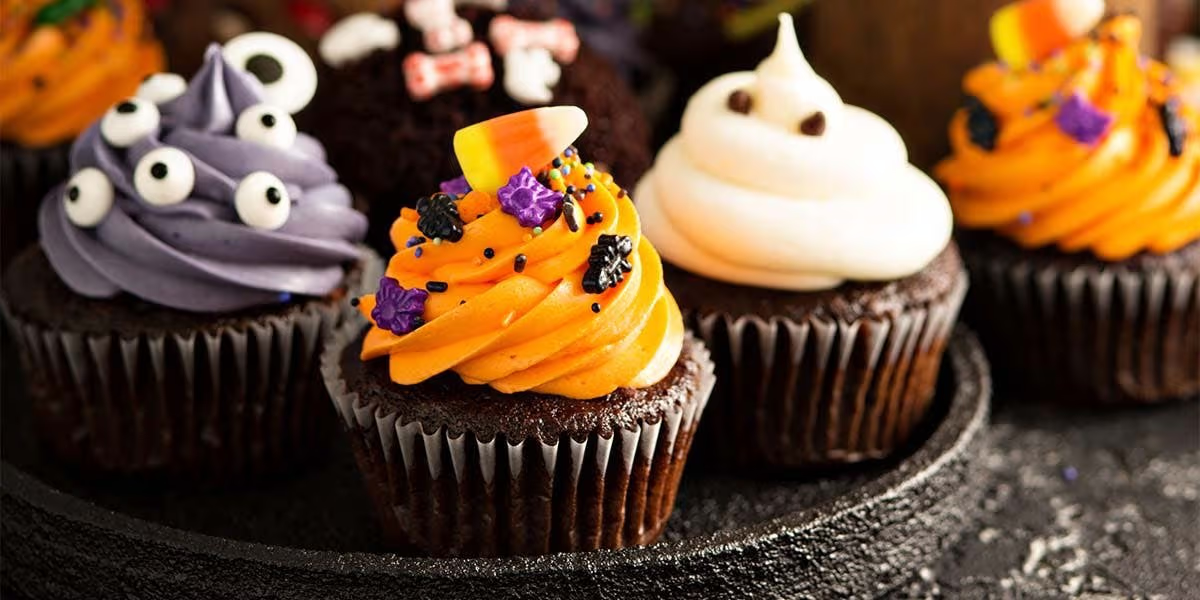
Beyond seasons, themed cupcakes can capture the spirit of any holiday or celebration. For Christmas, mini candy canes, gingerbread pieces, or festive sprinkles are popular choices. Halloween invites spooky designs with orange and black frosting, chocolate spiderwebs, or candy eyeballs. Valentine’s Day can be celebrated with heart-shaped fondant or red and pink chocolate decorations. For children’s parties, fun and kid-friendly designs like rainbow swirls or animal faces made with marshmallows and chocolate chips are always a hit. The main reason these are so popular is that they evoke joy and wonder, transforming a simple cupcake into a memorable part of the celebration. These designs often become talking points, adding to the festive atmosphere.
Common Mistakes in Cupcake Decorating
One of the most frequent errors in cupcake decorating is attempting to frost warm cupcakes. The main reason this is a mistake is that warm cupcakes will melt the frosting, leading to a messy, unappealing result and compromising the texture. Always ensure your cupcakes are completely cooled before applying any decoration. Another common pitfall is neglecting the balance between flavour and aesthetics. A visually stunning cupcake loses its appeal if the taste is mediocre. The key difference here is that true expertise combines both elements; the frosting and cake flavours must complement each other harmoniously. Avoid using generic, overly sweet frostings that overpower the cake. Furthermore, many decorators rush the process, leading to uneven piping or poorly executed designs. Patience and practice are crucial; take the time to refine your techniques before decorating a large batch.
Practical Next Steps for Elevating Your Cupcake Artistry
To truly excel in cupcake decorating, consistent practice is paramount. Dedicate time each week to experiment with new piping tips, frosting consistencies, or colour palettes. This works because regular practice builds muscle memory and confidence, allowing for more intricate and precise designs. Consider investing in a quality set of piping tips and bags, as well as food-grade gel colours for vibrant hues. Explore online tutorials and workshops to learn advanced techniques like sugar flower making or intricate fondant sculpting. Know the difference between Swiss meringue buttercream and American buttercream, and how each behaves. Document your successes and challenges, noting what worked well and what could be improved. Share your creations with others and seek constructive feedback. Remember, the journey of mastering cupcake decorating is continuous, filled with learning and creative exploration.
Frequently Asked Questions
What is the ideal consistency for buttercream?
The ideal buttercream consistency is smooth, airy, and holds its shape without being too stiff or too soft. It should be easy to pipe but firm enough to maintain intricate details.
How can I prevent my ganache from splitting?
To prevent ganache from splitting, ensure your cream is hot enough to melt the chocolate thoroughly, and stir gently from the centre outwards until emulsified. Avoid over-stirring or incorporating too much air.
Are there any alternatives to fondant for smooth finishes?
Yes, alternatives include modelling chocolate, which is more pliable and forgiving than fondant, or a very smooth, firm buttercream applied with a palette knife for a polished look.
What are some quick ways to add a gourmet touch to cupcakes?
Quick gourmet touches include adding edible flowers, a sprinkle of sea salt flakes to caramel or chocolate cupcakes, a delicate drizzle of high-quality fruit coulis, or a shard of tempered chocolate. These elements add visual appeal and sophisticated flavour notes.
