

Elevate Your Plate: Mastering Vegetable-Centric Cooking for Modern Kitchens
TL;DR: Transform your meals by making vegetables the hero, not just a side. This guide explores innovative cooking techniques like roasting, building vibrant bowls, reinventing classic dishes, and embracing global flavours to create satisfying, nutrient-rich, and visually appealing vegetable-centric meals. Discover how to enhance natural tastes, improve meal balance, and make healthy eating an enjoyable culinary adventure for the whole family.
Quick Answer: To make vegetables the star of your plate, focus on cooking methods that enhance their natural flavours and textures, such as roasting or grilling, and integrate them creatively into main dishes like hearty bowls or reimagined classics. The key difference is shifting perception from a mere accompaniment to the foundational element of a meal, ensuring they are prepared with intention and paired with complementary ingredients to maximise taste and nutritional value.
Context: Why This Matters in 2026
In 2026, the culinary landscape is rapidly evolving, driven by a heightened consumer awareness of health, sustainability, and diverse dietary preferences. The shift towards vegetable-centric eating is no longer a niche trend but a mainstream movement, presenting both opportunities and challenges for home cooks and food businesses alike. The main reason is that consumers are actively seeking meals that are not only nutritious but also exciting and flavourful, moving beyond the traditional meat-and-three-veg paradigm.
For households, mastering vegetable-focused cooking translates into significant benefits, including reduced grocery bills, enhanced nutritional intake, and a broader culinary repertoire. In practical terms, this approach allows for greater creativity in the kitchen, transforming everyday ingredients into extraordinary dishes. The key difference is a proactive embrace of vegetables as the primary ingredient, rather than a mere accompaniment, leading to more sustainable and economically viable meal planning.
Mastering Roasting and Grilling: Unlocking Vegetable Flavour
One of the most transformative techniques for elevating vegetables is mastering the art of roasting and grilling. These methods don’t just cook vegetables; they fundamentally alter their chemical composition, intensifying natural sugars and creating complex, savoury notes through caramelisation and the Maillard reaction. This works because high, dry heat breaks down cell walls, allowing moisture to escape and concentrating flavours, resulting in a far more appealing texture and taste than steaming or boiling.
For roasting, consider root vegetables like carrots, parsnips, and sweet potatoes, which become incredibly sweet and tender when slow-roasted. Brassicas such as broccoli and Brussels sprouts develop a delightful crispness and nutty flavour. The key is a hot oven (around 200°C) and a light coating of olive oil, salt, and pepper. For an extra layer of flavour, experiment with herbs like rosemary or thyme, or spices such as smoked paprika and cumin. Ensure vegetables are spread in a single layer on a baking tray to prevent steaming, allowing for optimal browning and caramelisation.
Grilling, on the other hand, imparts a distinct smoky char that complements a wide array of vegetables. Zucchini, eggplant, bell peppers, and asparagus are excellent candidates for the grill. A brief marinade in olive oil, garlic, and lemon juice before grilling can significantly enhance their flavour profile. The direct heat creates beautiful grill marks and a tender interior, making them perfect as a standalone side or integrated into salads and wraps. In practical terms, grilling offers a quick and healthy cooking option, especially during warmer months, adding a unique dimension to your vegetable dishes.
These techniques are not just about cooking; they are about coaxing the best possible flavour from your produce. By understanding how heat interacts with different vegetables, you can consistently produce dishes that are rich in taste and texture, making them undeniably the star of any meal.
Crafting Hearty Vegetable Bowls and Reinventing Classics
Beyond simple cooking methods, making vegetables the star involves a strategic approach to meal construction. Two highly effective strategies are building vibrant vegetable bowls and creatively reinventing classic dishes. These methods ensure vegetables are not just present but are the foundational elements, offering both satiety and diverse flavours. This works because they shift the culinary focus, allowing for a balanced and exciting exploration of plant-based ingredients.
Building Dynamic Vegetable Bowls
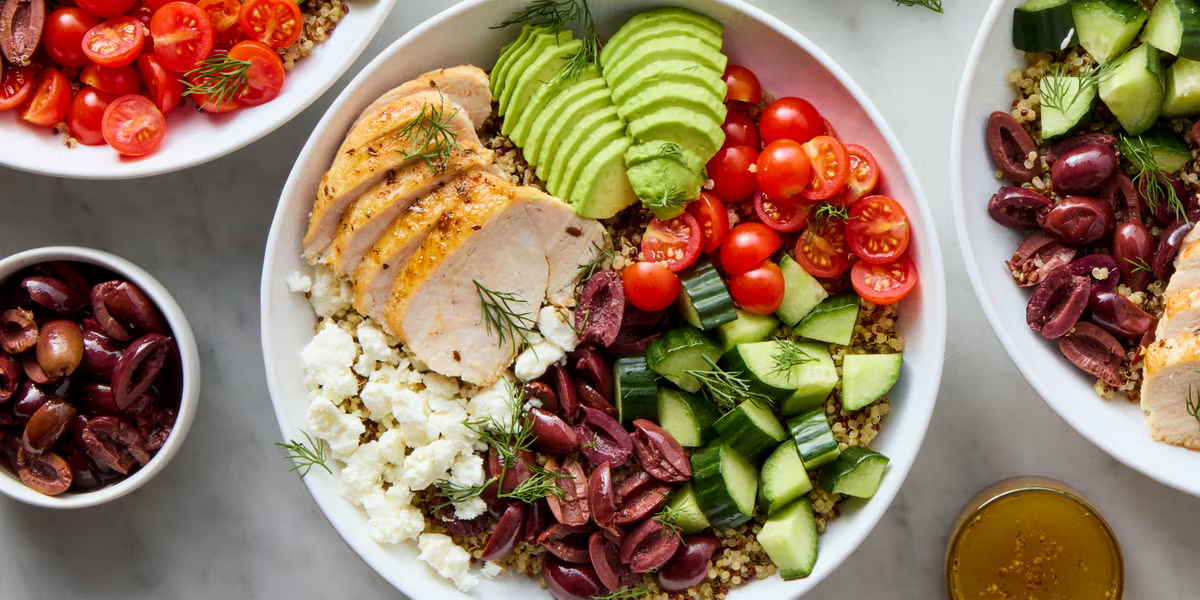
Vegetable bowls are a cornerstone of modern, flexible cooking, allowing for endless customisation and nutrient density. The concept is straightforward: a base, layered with various vegetables, a protein source, and a flavourful dressing. For the base, consider whole grains like quinoa, brown rice, or farro, or even roasted sweet potato for a gluten-free option. The vegetables can be a mix of raw, roasted, or sautéed, providing textural contrast and a spectrum of nutrients. For instance, a base of quinoa topped with roasted broccoli, chickpeas, fresh spinach, avocado, and a lemon-tahini dressing creates a complete and satisfying meal. In practical terms, these bowls are excellent for meal prepping, as components can be prepared in advance and assembled just before serving.
Reimagining Traditional Meals with Vegetables
Another powerful technique is to rethink traditional, often meat-heavy, dishes by substituting or augmenting with vegetables. This isn’t about compromise but about innovation, leading to lighter, yet equally satisfying, versions of beloved meals. For example, instead of traditional pasta sheets, thin slices of zucchini or eggplant can form the layers of a lasagna, offering a fresh take on an Italian classic. Cauliflower, when riced and pressed, makes an excellent base for a pizza crust, providing a crisp texture and subtle nutty flavour that pairs well with various toppings. The key difference is viewing vegetables as primary structural and flavour components, rather than mere fillers.
Furthermore, vegetables with robust textures and umami profiles can effectively replace meat in many recipes. Mushrooms, particularly varieties like portobello, can stand in for burgers or form the base of a rich bolognese sauce. Lentils and finely diced eggplant can mimic the hearty consistency of ground meat in dishes like shepherd’s pie or tacos. This approach not only boosts the nutritional value of meals but also introduces exciting new flavour combinations.
Global Flavours and Creative Salads: Expanding Your Vegetable Repertoire
To truly elevate vegetables to star status, it’s essential to broaden your culinary horizons by embracing global flavours and reimagining salads as substantial, exciting meals. This works because many international cuisines inherently place vegetables at the forefront, offering a wealth of techniques and flavour combinations that can transform even the most humble produce. The key difference is moving beyond traditional Western preparations and drawing inspiration from diverse culinary traditions.
Exploring International Vegetable-Centric Cuisines
Many cultures provide a blueprint for vegetable-forward cooking. Asian cuisines, for instance, excel in stir-fries, curries, and noodle dishes where vibrant vegetables are the main event. Think of a Thai green curry brimming with eggplant, bamboo shoots, and bell peppers, or a Japanese stir-fry featuring crisp bok choy and mushrooms. These dishes often utilise aromatic spices, fresh herbs, and umami-rich sauces that highlight, rather than mask, the natural flavours of the vegetables. Similarly, Mediterranean cooking offers a bounty of vegetable-rich dishes like ratatouille, Greek salads, and roasted vegetable platters, all characterised by fresh ingredients, olive oil, and aromatic herbs.
Mexican and Middle Eastern cuisines also provide fantastic frameworks for vegetable-centric meals. Grilled vegetable fajitas, stuffed bell peppers, and corn and black bean tacos showcase how vegetables can be both colourful and comforting. Middle Eastern staples like tabbouleh, baba ghanoush, and various stuffed vegetables are deeply satisfying, leveraging bold spices and diverse textures. In practical terms, incorporating these global influences means experimenting with new spices like sumac, za’atar, or gochujang, and exploring cooking methods like pickling or fermenting to add new dimensions to your vegetable dishes.
Crafting Creative and Substantial Salads
Often relegated to a side dish, salads possess immense potential to become the focal point of a meal. The insight here is to treat a salad as a canvas for a complete culinary experience, focusing on a balance of textures, flavours, and nutritional components. Start with a robust base like kale, spinach, or mixed greens, then build layers with roasted vegetables (e.g., sweet potato, beets), grains (quinoa, freekeh), nuts (walnuts, almonds), seeds (pumpkin, sunflower), and a protein source (lentils, chickpeas, grilled halloumi). The main reason this approach is effective is that it creates a dish that is both visually appealing and deeply satisfying.
Consider a warm lentil salad with sautéed mushrooms, cherry tomatoes, and a balsamic glaze, or a vibrant kale salad featuring roasted pumpkin, crumbled feta, toasted pecans, and a zesty orange vinaigrette. The key difference in these salads is their complexity and intentionality; they are designed to be filling and flavourful, moving far beyond a simple bowl of lettuce. Don’t shy away from adding unexpected elements like fresh fruit (pomegranate seeds, apple slices) or fresh herbs (mint, cilantro) to introduce bursts of flavour and brightness. A well-crafted dressing, whether a homemade vinaigrette or a creamy tahini-based sauce, is crucial for tying all the elements together and elevating the entire dish.
Common Mistakes to Avoid in Vegetable-Centric Cooking
While the journey to making vegetables the star of your plate is rewarding, several common pitfalls can hinder success and lead to underwhelming results. Understanding and avoiding these mistakes is crucial for consistently producing delicious and satisfying plant-forward meals. The main reason these errors occur is often a lack of understanding of vegetable properties or an over-reliance on traditional cooking paradigms.
Overcooking or Undercooking Vegetables
One of the most frequent mistakes is improper cooking. Overcooked vegetables become mushy, lose their vibrant colour, and often their nutritional value, while undercooked vegetables can be tough and unpalatable. This works because different vegetables have varying cooking times and ideal textures. For instance, leafy greens require only a brief sauté, whereas root vegetables benefit from longer roasting. In practical terms, paying attention to texture and using appropriate cooking methods for each vegetable is paramount. Avoid a one-size-fits-all approach.
Lack of Seasoning and Flavour Development
Another common error is failing to adequately season vegetables. Bland vegetables are often the reason people perceive plant-based meals as unexciting. Vegetables, like any other ingredient, require thoughtful seasoning with salt, pepper, herbs, and spices to bring out their best flavours. The key difference between a mediocre and a magnificent vegetable dish often lies in the judicious use of flavour enhancers. Don’t be afraid to experiment with acids (lemon juice, vinegar), fats (olive oil, butter), and umami boosters (mushrooms, nutritional yeast) to create depth.
Treating Vegetables as an Afterthought
Many home cooks still approach vegetables as a mere side dish or an obligation, rather than the main event. This mindset often leads to rushed preparation, generic cooking methods, and a lack of creativity. To truly make vegetables the star, they must be given the same attention and planning as any other primary ingredient. This works because when vegetables are prioritised, you naturally invest more effort into their preparation, leading to more innovative and delicious outcomes. The key difference is a shift in perspective from obligation to opportunity.
Ignoring Texture and Colour Contrast
A visually appealing and texturally interesting meal is far more enjoyable. Failing to consider texture and colour contrast can result in a monotonous dish. Combining soft, crunchy, and crisp elements, along with a variety of colours, makes a vegetable dish more engaging and satisfying. For example, pairing creamy avocado with crisp lettuce and crunchy nuts in a salad, or vibrant roasted bell peppers with earthy mushrooms, enhances the overall eating experience. In practical terms, think about how different cooking methods can yield varied textures from the same vegetable, and how a rainbow of colours can make your plate pop.
Practical Next Steps: Integrating Vegetable-Centric Cooking into Your Routine
Transitioning to a vegetable-centric cooking style is a journey that can be easily integrated into your daily routine with a few actionable steps. The key difference is a conscious effort to plan and prioritise vegetables, transforming them from an afterthought into the focal point of your meals. This works because consistent small changes lead to significant culinary and health benefits over time.
Start with One Vegetable-Focused Meal Per Week
Don’t feel pressured to overhaul your entire diet overnight. Begin by dedicating one meal per week to be entirely vegetable-focused. This could be a Meatless Monday dinner or a vibrant Sunday lunch. Experiment with a new roasted vegetable recipe, build a hearty grain bowl, or try a vegetable-based curry. In practical terms, this low-pressure approach allows you to build confidence and discover new favourite dishes without feeling overwhelmed.
Explore New Vegetables and Cooking Methods
Step outside your comfort zone and try a vegetable you’ve never cooked before, or a new cooking method for a familiar one. If you always steam broccoli, try roasting it with garlic and chilli flakes. If you’ve never cooked with celeriac, research a simple recipe. This works because novelty keeps cooking exciting and expands your culinary repertoire. Visit your local farmers’ market for seasonal inspiration and ask vendors for cooking tips.
Master Basic Flavour Pairings
Understanding how to season and flavour vegetables effectively is crucial. Learn basic flavour pairings: acidic elements (lemon, vinegar) brighten, herbs (basil, cilantro) add freshness, and spices (cumin, paprika) introduce warmth and depth. The main reason this is important is that well-seasoned vegetables are inherently more appealing. Keep a well-stocked pantry of quality oils, vinegars, herbs, and spices to elevate simple vegetable preparations.
Plan Your Meals Around Seasonal Produce
Embrace seasonal eating. Seasonal vegetables are often fresher, more flavourful, and more affordable. Plan your meals around what’s currently in season. This works because it encourages variety in your diet and connects you with local produce. A simple search for ‘seasonal vegetables’ can provide a wealth of information and inspiration.
Involve the Family in the Process
Make vegetable-centric cooking a family affair. Involve children in selecting vegetables at the market, washing produce, or even simple chopping tasks (age-appropriate, of course). This works because children are more likely to eat what they’ve helped prepare. Make it fun and educational, fostering a positive relationship with healthy food from a young age.
Frequently Asked Questions
What does “vegetable-centric” cooking mean?
Vegetable-centric cooking means designing meals where vegetables are the primary focus and main ingredient, rather than just a side dish or garnish. It involves using creative techniques and flavour combinations to make vegetables the most exciting and substantial part of your plate.
How can I make vegetables more appealing to picky eaters?
To make vegetables more appealing, try roasting them to enhance sweetness and texture, blending them into sauces or smoothies, cutting them into fun shapes, or involving picky eaters in the cooking process. Experiment with different seasonings and dips to find what they enjoy.
Are there specific cooking methods that work best for all vegetables?
No, different vegetables benefit from different cooking methods. Roasting and grilling are excellent for intensifying flavours and creating tender-crisp textures for many vegetables, while steaming preserves nutrients and colour for others. Understanding each vegetable’s properties helps choose the best method.
How can I ensure my vegetable dishes are filling and satisfying?
To make vegetable dishes filling, incorporate protein sources like legumes (chickpeas, lentils), tofu, or nuts. Add healthy fats from avocados or olive oil, and include complex carbohydrates like whole grains (quinoa, brown rice). Combining various textures and rich flavours also contributes to satiety.
What are some easy ways to add global flavours to vegetable dishes?
Explore spices and herbs from international cuisines. For Asian flavours, use ginger, garlic, soy sauce, and sesame oil. For Mediterranean, try oregano, basil, and lemon. Mexican dishes benefit from cumin, coriander, and chilli. Experimenting with these flavour profiles can dramatically transform your vegetable meals.
