

The Definitive Guide to Olive Oil: Selection, Usage, and Health Benefits in 2026
TL;DR: Olive oil is a versatile culinary staple with significant health benefits, but understanding its varieties, proper usage, and storage is crucial for maximising its potential. This guide covers everything from selecting the best extra virgin olive oil to its optimal application in cooking, baking, and as a finishing touch, ensuring you harness its full flavour and nutritional value.
Quick Answer: Olive oil, particularly extra virgin, is a cornerstone of healthy cooking due to its rich monounsaturated fats and antioxidants, making it ideal for everything from sautéing and roasting to dressing salads, provided its smoke point and flavour profile are matched to the cooking method.
Context: Why This Matters in 2026
In 2026, as consumers become increasingly health-conscious and discerning about ingredient quality, the role of olive oil in the modern kitchen has evolved beyond a mere cooking fat. Its status as a superfood, coupled with its diverse culinary applications, necessitates a deeper understanding for both home cooks and professional chefs. The proliferation of information, and sometimes misinformation, online makes it vital to clarify the best practices for selecting, using, and storing olive oil to unlock its full potential, both nutritionally and gastronomically. This guide aims to cut through the noise, providing authoritative, up-to-date insights for optimal olive oil utilisation.
Understanding Olive Oil Varieties: Beyond the Basics
The world of olive oil is nuanced, with different classifications dictating its quality, flavour, and suitability for various culinary tasks. In practical terms, the primary distinctions lie between extra virgin, virgin, and refined olive oils. Extra virgin olive oil (EVOO) is the highest grade, produced solely by mechanical means without chemical treatment, preserving its robust flavour, aroma, and beneficial compounds. Virgin olive oil follows a similar process but may have slight defects in flavour or higher acidity. Refined olive oil, conversely, undergoes chemical processing to neutralise strong flavours and acidity, resulting in a lighter colour and milder taste, often blended with virgin olive oil to create ‘pure’ or ‘light’ olive oil. The key difference is in their processing and resulting chemical composition, which directly impacts their smoke points and flavour intensity. For instance, a robust EVOO is perfect for finishing dishes, while a refined olive oil is better suited for high-heat cooking due to its higher smoke point.
The Nutritional Powerhouse: Health Benefits of Olive Oil
Olive oil is celebrated not just for its flavour but also for its profound health benefits, largely attributed to its unique composition. It is predominantly rich in monounsaturated fatty acids (MUFAs), particularly oleic acid, which are known to support cardiovascular health by helping to reduce levels of low-density lipoprotein (LDL) cholesterol, often referred to as ‘bad’ cholesterol. This works because MUFAs contribute to maintaining healthy arteries and reducing inflammation throughout the body. Beyond fats, EVOO is packed with powerful antioxidants, including polyphenols and vitamin E. These compounds combat oxidative stress, protecting cells from damage caused by free radicals. Studies consistently show that regular consumption of olive oil, especially as part of a Mediterranean-style diet, is associated with a lower risk of chronic diseases, including heart disease, certain cancers, and neurodegenerative conditions. The main reason is the synergistic effect of its healthy fats and antioxidants working together to promote overall well-being.
Cooking with Olive Oil: Dispelling Common Myths
A persistent myth surrounding olive oil is its perceived low smoke point, leading many to believe it’s unsuitable for high-heat cooking. While it’s true that EVOO has a lower smoke point than some other oils, it is still perfectly safe and effective for most everyday cooking methods. The smoke point of a high-quality EVOO typically ranges from 190°C to 207°C (375°F to 405°F), which comfortably covers sautéing, roasting, and even shallow frying. In practical terms, the concern arises when oil is repeatedly overheated or stored improperly, which can degrade its quality and produce undesirable compounds. For very high-temperature applications, such as deep-frying or searing at extreme heats, a refined olive oil or a blend with a higher smoke point may be preferable. Proper storage is also paramount; olive oil should be kept in a cool, dark place, away from direct light and heat, to preserve its delicate flavour and nutritional integrity.
Mastering Flavour: Olive Oil as a Culinary Enhancer
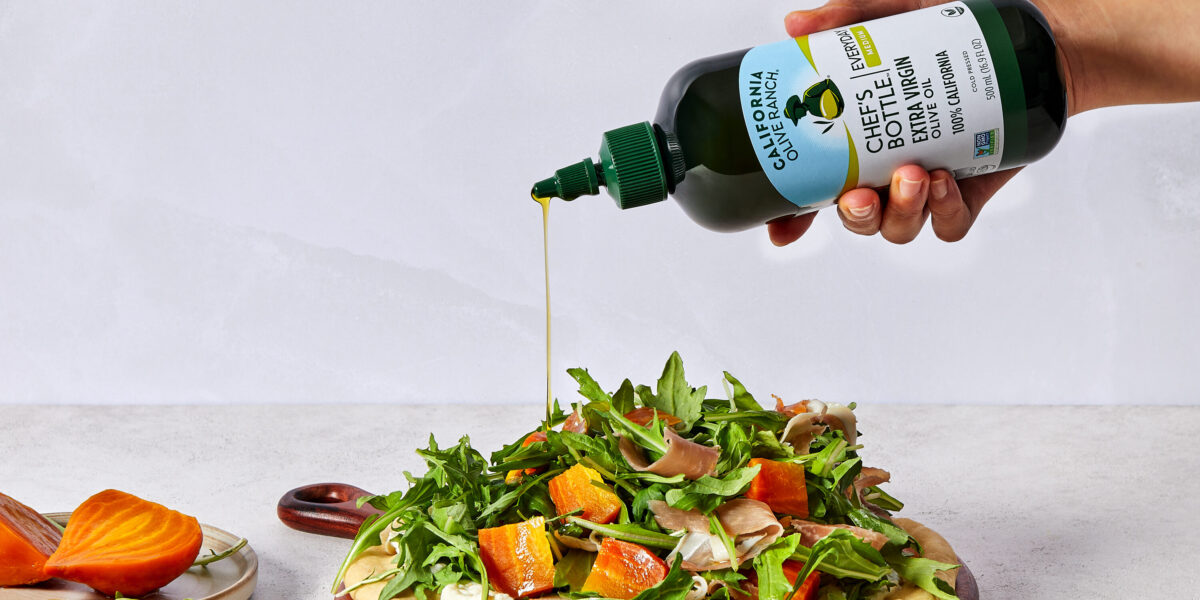
Olive oil is far more than just a cooking medium; it is a flavour agent in its own right, capable of transforming dishes with its complex aromatic profile. Depending on the olive varietal, region of origin, and harvesting methods, olive oils can exhibit a spectrum of flavours, from intensely fruity and grassy to subtly peppery or even buttery. For example, some Italian EVOOs are known for their bold, pungent notes, while certain Greek varieties offer a distinct herbaceous tang, and Spanish oils often present a milder, fruitier character. The key difference is how these nuanced flavours interact with other ingredients. Drizzling a high-quality EVOO over finished dishes like grilled vegetables, fresh pasta, or a simple bruschetta elevates the entire culinary experience, adding depth, richness, and a luxurious mouthfeel. It’s the ultimate finishing touch that connects all the flavours.
Common Mistakes to Avoid with Olive Oil
Despite its widespread use, several common mistakes can diminish the quality and effectiveness of olive oil. One significant error is using premium extra virgin olive oil for high-temperature deep-frying, where its delicate flavours and beneficial compounds can be lost or even turn bitter. Reserve your best EVOO for dressings, marinades, and finishing. Another frequent misstep is improper storage; many keep olive oil next to the stove, exposing it to heat and light, which accelerates oxidation and spoilage. Always store it in a cool, dark pantry in an opaque bottle. Furthermore, mistaking cloudiness in refrigerated olive oil for spoilage is common; this is merely the oil solidifying at colder temperatures and will return to its clear state at room temperature. Finally, be wary of counterfeit products; always purchase from reputable brands to ensure you are getting authentic, high-quality olive oil.
Practical Next Steps for Olive Oil Enthusiasts
To fully embrace the benefits and flavours of olive oil, consider these actionable steps. Firstly, invest in at least two types of olive oil: a high-quality extra virgin olive oil for cold applications and finishing, and a more robust or refined olive oil for cooking at higher temperatures. Secondly, experiment with different regional EVOOs to discover your preferred flavour profiles; conduct a simple tasting with bread to appreciate their unique characteristics. Thirdly, always check the harvest or best-before date on the label to ensure freshness, as olive oil degrades over time. Fourthly, store your olive oil correctly in a cool, dark place, ideally in a dark glass bottle or tin, to protect it from light and heat. Lastly, integrate olive oil into a wider range of your cooking, from baking to creating homemade dressings, to fully leverage its versatility and health advantages.
Frequently Asked Questions
What is the difference between extra virgin and virgin olive oil?
Extra virgin olive oil is the highest quality, produced by cold-pressing olives without chemicals, retaining its full flavour and nutrients. Virgin olive oil is also cold-pressed but may have slight flavour imperfections or higher acidity.
Can I use extra virgin olive oil for frying?
Yes, for most home cooking like sautéing and roasting, EVOO is suitable. Its smoke point is typically between 190°C and 207°C (375°F to 405°F). For very high-temperature deep-frying, a refined olive oil or a blend might be preferred.
How should I store olive oil to keep it fresh?
Store olive oil in a cool, dark place, away from direct sunlight and heat. An opaque bottle or tin is ideal to protect it from light, which can cause it to degrade faster.
What are the main health benefits of olive oil?
Olive oil is rich in monounsaturated fats, which support heart health by reducing bad cholesterol. It also contains powerful antioxidants like polyphenols and vitamin E, which protect cells from oxidative damage and reduce inflammation.
How can I tell if my olive oil is high quality?
High-quality olive oil will have a fresh, often grassy or fruity aroma, and may leave a slightly peppery sensation in the back of your throat due to its polyphenol content. Avoid oils that smell rancid, waxy, or are flavourless.
