

Mastering Superfood Cooking: Your 2026 Guide to Nutrient-Rich Meals
TL;DR: This comprehensive guide explores how to integrate superfoods into your daily cooking for enhanced nutrition and flavour. We cover what defines a superfood, optimal cooking methods to preserve nutrients, and practical strategies for incorporating them into breakfast, lunch, and dinner. Learn to avoid common pitfalls and leverage superfoods for improved health and culinary delight.
Quick Answer: Superfood cooking involves strategically selecting and preparing nutrient-dense ingredients like leafy greens, berries, and lean proteins to maximise their health benefits and culinary appeal. By focusing on gentle cooking techniques, smart food pairings, and consistent integration into meals, individuals can significantly boost their dietary intake of essential vitamins, minerals, and antioxidants, contributing to overall well-being and vitality.
Context: Why This Matters in 2026
In 2026, the emphasis on proactive health and personalised nutrition has never been greater. Consumers are increasingly seeking ways to optimise their diets beyond basic sustenance, driven by a desire for sustained energy, improved immunity, and enhanced cognitive function. Superfoods, once a niche concept, are now recognised as foundational components of a resilient diet. For commercial kitchens and home cooks alike, understanding how to effectively incorporate and prepare these ingredients is crucial. It’s not merely about following a trend; it’s about meeting the evolving demands for food that delivers tangible health outcomes, ensuring every meal contributes to long-term wellness and performance.
Defining Superfoods: More Than Just a Buzzword
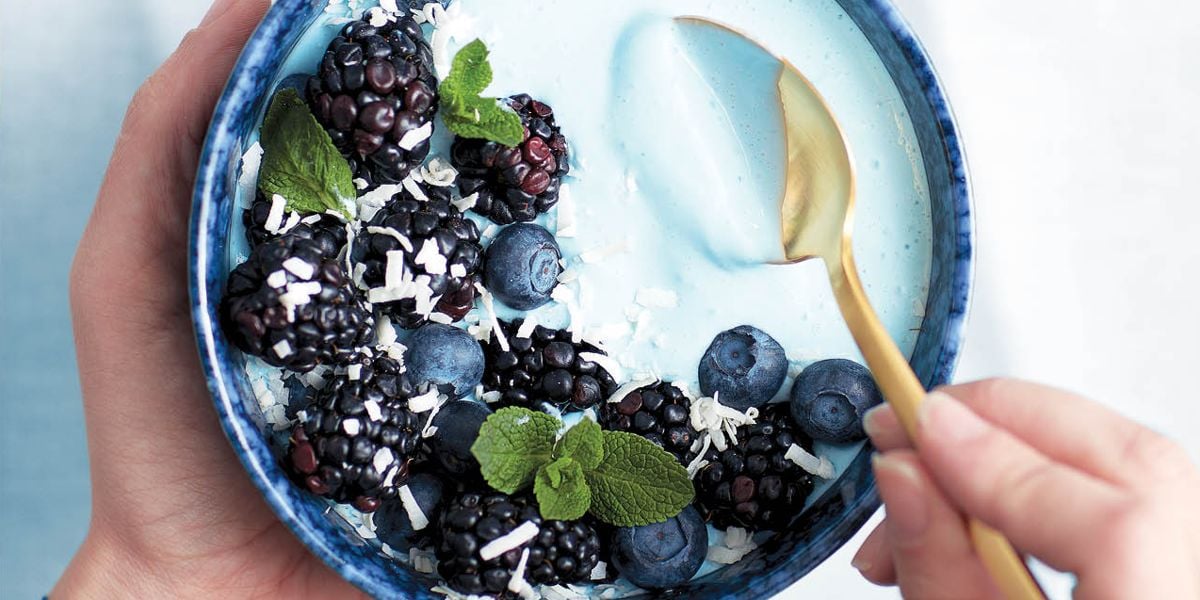
The term “superfood” often conjures images of exotic, expensive ingredients, but in practical terms, it refers to foods exceptionally rich in compounds beneficial for health. The key difference is their concentrated nutritional profile, offering high levels of vitamins, minerals, antioxidants, and healthy fats. This works because these foods provide a potent dose of protective and restorative elements that support cellular function, reduce inflammation, and bolster the body’s natural defences. Examples include vibrant berries, dark leafy greens, ancient grains, and fatty fish. Understanding this definition helps demystify their role and encourages their regular inclusion in a balanced diet.
Optimising Nutrient Retention: Smart Cooking Techniques
Preserving the nutritional integrity of superfoods during preparation is paramount. The main reason is that excessive heat or improper methods can degrade sensitive vitamins and antioxidants. Gentle cooking techniques are therefore essential. Steaming, for instance, is ideal for vegetables like broccoli and spinach, retaining their water-soluble vitamins. Light sautéing with healthy fats, such as extra virgin olive oil, can enhance the absorption of fat-soluble vitamins (A, D, E, K) found in many superfoods. For proteins like salmon, baking or poaching at moderate temperatures ensures omega-3 fatty acids remain intact.
Strategic Superfood Pairings for Enhanced Absorption
Certain nutrients are better absorbed when consumed together, a concept known as nutrient synergy. This works because specific compounds facilitate each other’s uptake in the body. For example, pairing vitamin C-rich foods like citrus with iron-rich greens significantly boosts iron absorption. Similarly, healthy fats from avocados or nuts are crucial for the bioavailability of fat-soluble vitamins found in many colourful vegetables. Understanding these pairings allows for more effective meal planning, ensuring that the body maximises the benefits from every superfood consumed. It transforms a simple meal into a powerful nutritional delivery system.
Common Mistakes in Superfood Integration
Integrating superfoods effectively can be challenging, and several common mistakes can diminish their impact. One frequent error is relying solely on a few popular superfoods, neglecting the importance of dietary diversity. Another is overcooking, which can destroy heat-sensitive nutrients. Many also fall into the trap of adding superfoods to an otherwise unhealthy diet, expecting them to magically counteract poor eating habits. Finally, neglecting proper storage can lead to nutrient degradation before consumption. Avoiding these pitfalls ensures that superfoods contribute meaningfully to overall health rather than becoming an expensive, underutilised addition.
Practical Next Steps for Your Superfood Journey
To successfully incorporate superfoods into your daily routine, start with small, consistent changes. Begin by identifying 2-3 superfoods you enjoy and can easily access, such as spinach, blueberries, or oats. Experiment with simple additions: blend spinach into a morning smoothie, sprinkle chia seeds over yoghurt, or swap white rice for quinoa. Gradually expand your repertoire, focusing on variety and seasonal availability. Prioritise gentle cooking methods and learn about nutrient pairings to maximise absorption. Keep a journal to track how different superfoods make you feel, helping you tailor your diet to your body’s unique needs. Consistency, not perfection, is the key to long-term success.
Frequently Asked Questions
What exactly defines a superfood?
Superfoods are nutrient-dense foods exceptionally rich in vitamins, minerals, antioxidants, and other health-promoting compounds, offering significant benefits beyond basic nutrition.
How can I ensure I’m not overcooking superfoods?
Opt for gentle cooking methods like steaming, light sautéing, or roasting at lower temperatures. Aim for vibrant colours and a slightly tender texture in vegetables, and avoid prolonged boiling.
Are expensive superfoods always better?
Not necessarily. Many common and affordable foods like spinach, oats, and berries are excellent superfoods. Focus on nutritional density and variety rather than price or exotic origin.
How many superfoods should I eat daily?
There’s no strict number, but aiming for a diverse range of 5-7 different superfoods throughout the day, incorporated into various meals, is a good general guideline for comprehensive nutrient intake.
Can superfoods replace medication for health conditions?
No, superfoods are not a substitute for medical treatment or advice. They are powerful dietary components that support overall health and can complement medical care, but they should not replace prescribed medications or professional guidance.
