

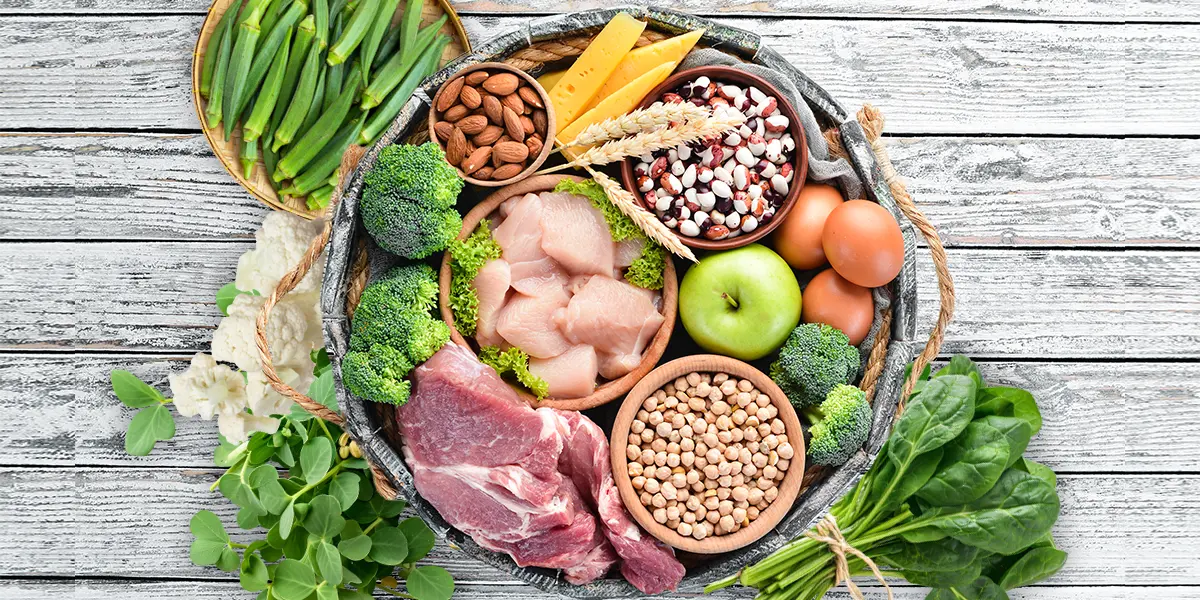
Savoury & Satisfying: 10 High-Protein Meals for the Modern Kitchen
TL;DR: Discover ten delicious and easy-to-prepare high-protein meals, designed to fuel your body and delight your taste buds. From grilled chicken to plant-based curries, these recipes prioritise flavour, nutrition, and 2026 dietary standards, proving that protein-rich eating can be both enjoyable and effective for health and fitness goals.
Quick Answer: High-protein meals in 2026 are not about blandness but about strategic combinations of lean proteins, wholesome grains, and vibrant vegetables, ensuring each dish is both nutritionally dense and incredibly flavourful, supporting sustained energy and satiety without compromise.
Context: Why This Matters in 2026
In 2026, the focus on holistic well-being and optimised nutrition has never been stronger. Consumers are increasingly seeking meals that not only taste good but actively contribute to their health, fitness, and cognitive function. High-protein diets have moved beyond niche bodybuilding circles to become a mainstream approach for weight management, muscle maintenance, and sustained energy. However, the challenge remains: how to create protein-rich meals that are genuinely appealing and diverse, avoiding the monotony often associated with such eating plans. This guide addresses that by offering practical, flavourful solutions tailored for the modern palate and lifestyle, ensuring every meal is a step towards better health.
Mastering High-Protein Meals: Beyond the Basics
The key difference between a functional high-protein meal and a truly enjoyable one lies in the culinary approach. It’s about understanding how to layer flavours, utilise diverse cooking techniques, and incorporate fresh, seasonal ingredients. This works because protein, while essential, can sometimes be perceived as dry or uninspiring. By integrating marinades, spices, and complementary textures, we transform simple ingredients into gourmet experiences. In practical terms, this means moving beyond plain grilled chicken to explore vibrant stir-fries, zesty tacos, and rich curries that celebrate both nutrition and taste.
1. Grilled Lemon-Herb Chicken with Quinoa & Roasted Root Vegetables
A timeless classic reimagined for maximum flavour and nutritional balance. Lean chicken breast, marinated in a bright lemon-herb blend (thyme, rosemary, oregano), is grilled to juicy perfection. It’s served alongside fluffy quinoa, a complete plant-based protein, and a medley of roasted root vegetables like sweet potato, carrot, and parsnip, providing essential fibre and vitamins. This works because the marinade tenderises the chicken and infuses it with aromatic notes, while roasting caramelises the vegetables, enhancing their natural sweetness. The main reason this dish excels is its simplicity and the powerful flavour contrast between the tangy chicken and earthy vegetables.
2. Spicy Shrimp Tacos with Zesty Greek Yoghurt Slaw
Tacos prove that high-protein eating can be exciting and fun. Succulent shrimp are quickly pan-seared after being tossed in a smoky spice blend of chilli powder, paprika, and cumin. Instead of a heavy mayonnaise-based slaw, a light and tangy Greek yoghurt slaw, featuring shredded cabbage, lime zest, and fresh cilantro, provides a creamy yet refreshing counterpoint. This works because shrimp cook rapidly, retaining their tender texture, and absorb flavours beautifully. The key difference is the Greek yoghurt slaw, which offers a protein boost and a vibrant, fresh taste without the added fats, making it a guilt-free indulgence.
3. Lean Beef & Broccoli Stir-Fry with Toasted Cashews
A rapid and highly customisable dinner solution. Thinly sliced lean beef (sirloin or flank) is stir-fried until tender, then combined with crisp broccoli florets and vibrant bell peppers. The dish is brought together with a savoury sauce made from low-sodium soy sauce, a hint of honey, fresh ginger, and garlic. Toasted cashews add a delightful crunch and healthy fats. This works because stir-frying is a quick cooking method that preserves nutrient integrity and texture. The main reason for its appeal is the balance of sweet, salty, and umami flavours in the sauce, which coats every ingredient beautifully, making it far superior to typical takeaway options.
4. Pan-Seared Salmon with Mediterranean Lentil Salad
An elegant and nutrient-dense meal featuring omega-3 rich salmon. The salmon is seasoned and pan-seared until the skin is crispy and the flesh is flaky. It’s paired with a hearty lentil salad, comprising green lentils, diced cucumber, cherry tomatoes, red onion, and fresh parsley, all dressed in a light lemon-dill vinaigrette. This works because the richness of the salmon is perfectly balanced by the earthy, fresh notes of the lentil salad. The key difference here is the combination of healthy fats from the salmon and the sustained energy release from the complex carbohydrates in the lentils, making it incredibly satisfying and beneficial for heart health.
5. Turkey & Spinach Meatballs in Rich Tomato Passata
A lighter, yet equally satisfying, take on classic meatballs. Ground turkey is combined with finely chopped spinach, whole wheat breadcrumbs, garlic, and herbs, then baked until golden. These tender meatballs are then simmered in a vibrant tomato passata, enriched with basil and a touch of red wine. This works because baking the meatballs keeps them moist and reduces the need for excess oil. The main reason this dish is a winner is its ability to deliver comfort food satisfaction while being packed with lean protein and hidden vegetables, making it ideal for family meals.
6. Greek Chicken Souvlaki with Creamy Tzatziki & Warm Pita
A refreshing and protein-packed meal that transports you to the Mediterranean. Tender chicken pieces are marinated in olive oil, lemon juice, oregano, and garlic, then skewered and grilled until perfectly charred. Served with warm pita bread, crisp salad vegetables, and a generous dollop of homemade tzatziki (Greek yoghurt, grated cucumber, dill, and garlic). This works because the marinade infuses the chicken with authentic Greek flavours, and grilling imparts a delicious smoky char. The key difference is the fresh, vibrant components that create a balanced and incredibly satisfying meal, perfect for a light lunch or dinner.
7. Power-Packed Breakfast Bowl: Eggs, Cottage Cheese & Sautéed Greens
Start your day with a meal that provides sustained energy and satiety. Scrambled eggs, rich in protein and essential nutrients, are combined with a generous scoop of creamy cottage cheese, another excellent protein source. Sautéed spinach and cherry tomatoes add vitamins, minerals, and fibre. This works because the combination of fast and slow-digesting proteins keeps you full and energised for hours. The main reason this bowl is effective is its simplicity and versatility; you can easily customise it with different vegetables or a sprinkle of your favourite herbs and spices for an extra flavour kick.
8. Hearty Black Bean & Chicken Chilli with Avocado
A comforting and robust meal, perfect for meal prepping. Ground chicken is browned with onions, garlic, and bell peppers, then simmered in a rich tomato base with black beans, kidney beans, and a blend of chilli powder, cumin, and smoked paprika. This works because the slow simmering allows the flavours to meld and deepen, creating a complex and satisfying taste. The key difference is the double protein punch from both chicken and beans, making it incredibly filling and a fantastic source of fibre. Topped with fresh avocado slices and cilantro, it’s a complete and nourishing meal.
9. Flavourful Tofu & Vegetable Coconut Curry
A vibrant and satisfying plant-based option that doesn’t compromise on protein or flavour. Firm tofu, pressed and lightly fried until golden, absorbs the rich, aromatic sauce. It’s simmered with a medley of colourful vegetables like bell peppers, green beans, and peas in a creamy coconut milk base infused with ginger, garlic, and a fragrant curry paste. This works because pressing the tofu ensures it has the right texture and can soak up the delicious curry flavours. The main reason this dish is so popular is its ability to deliver a deeply satisfying and nutritious meal, proving that plant-based eating can be both exciting and incredibly tasty.
10. Seared Tuna Steaks with Brown Rice & Asian Slaw
An elegant and quick-to-prepare meal that is high in lean protein and healthy fats. Fresh tuna steaks are lightly seasoned with sesame seeds, salt, and pepper, then seared briefly to create a beautiful crust while keeping the interior perfectly pink and tender. Served over a bed of wholesome brown rice and accompanied by a crisp Asian-inspired slaw (shredded cabbage, carrots, cucumber, and a light soy-sesame dressing). This works because tuna cooks very quickly, making it ideal for busy weeknights. The key difference is the fresh, vibrant flavours and textures that combine to create a light yet incredibly satisfying meal, rich in omega-3s and high-quality protein.
Common Mistakes in High-Protein Meal Preparation
Many individuals inadvertently sabotage their high-protein efforts by making common errors. One frequent mistake is overcooking protein sources, leading to dry, unappetising results. This works because excessive heat denatures proteins, expelling moisture and toughening the texture. Another common pitfall is neglecting flavour, relying solely on salt and pepper, which quickly leads to meal fatigue. The main reason for this is a lack of understanding of how herbs, spices, and marinades can transform simple ingredients. Over-reliance on processed protein bars or shakes instead of whole food sources also diminishes nutritional value and satiety. Furthermore, failing to balance protein with adequate fibre from vegetables and complex carbohydrates can lead to digestive issues and a lack of sustained energy. The key difference is understanding that protein is a component, not the sole focus; a holistic approach to meal construction is paramount for both health and enjoyment.
Practical Next Steps for Your High-Protein Journey
To successfully integrate these high-protein meals into your routine, start with strategic meal planning. Dedicate time each week to plan your meals, create a shopping list, and grocery shop accordingly. This works because a well-organised approach reduces stress and ensures you have all the necessary ingredients on hand. Experiment with different marinades and spice blends to keep flavours exciting and prevent monotony. The main reason for this is to continually engage your palate and make healthy eating an enjoyable experience. Consider batch cooking components like quinoa or roasted vegetables on a Sunday to save valuable time during busy weekdays. Remember, consistency is more important than perfection. Small, sustainable changes will lead to significant improvements in your dietary habits and overall well-being.
Frequently Asked Questions
What are the best sources of protein for a balanced diet?
Excellent sources include lean meats (chicken, beef, lamb), fish (salmon, tuna), eggs, dairy (Greek yoghurt, cottage cheese), legumes (lentils, beans), tofu, and nuts and seeds. The key difference among these is their amino acid profile and accompanying nutrients.
How much protein should I aim for daily?
While individual needs vary based on age, activity level, and health goals, a general guideline is 0.8 to 1.2 grams of protein per kilogram of body weight for most adults. Active individuals, or those aiming for muscle gain, may require more, often up to 1.6-2.2 g/kg. This works because protein is crucial for muscle repair and growth.
Can high-protein meals help with weight loss?
Yes, high-protein meals are highly effective for weight loss. Protein promotes satiety, meaning you feel fuller for longer, which can naturally reduce overall calorie intake. The main reason for this is protein’s impact on hunger hormones and its higher thermic effect compared to carbohydrates and fats, meaning your body burns more calories digesting it. It also helps preserve muscle mass during weight loss, which is crucial for maintaining a healthy metabolism.
Are plant-based protein sources as effective as animal-based ones?
Absolutely. A well-planned plant-based diet can provide all essential amino acids. The key difference is that many plant proteins are ‘incomplete’ on their own, meaning they lack one or more essential amino acids. However, by combining different plant proteins throughout the day (e.g., legumes with grains), you can easily achieve a complete amino acid profile. This works because the amino acids complement each other.
How can I make high-protein meals more flavourful?
To significantly enhance the flavour of high-protein meals, utilise a wide variety of herbs, spices, marinades, and healthy sauces. Experiment with different cooking methods like grilling, roasting, stir-frying, and braising, as each method brings out unique flavours and textures. The main reason for this approach is to prevent meal fatigue and make healthy eating a consistently enjoyable experience. Don’t be afraid to explore global cuisines for inspiration, as many are rich in protein-packed, flavourful dishes.
