

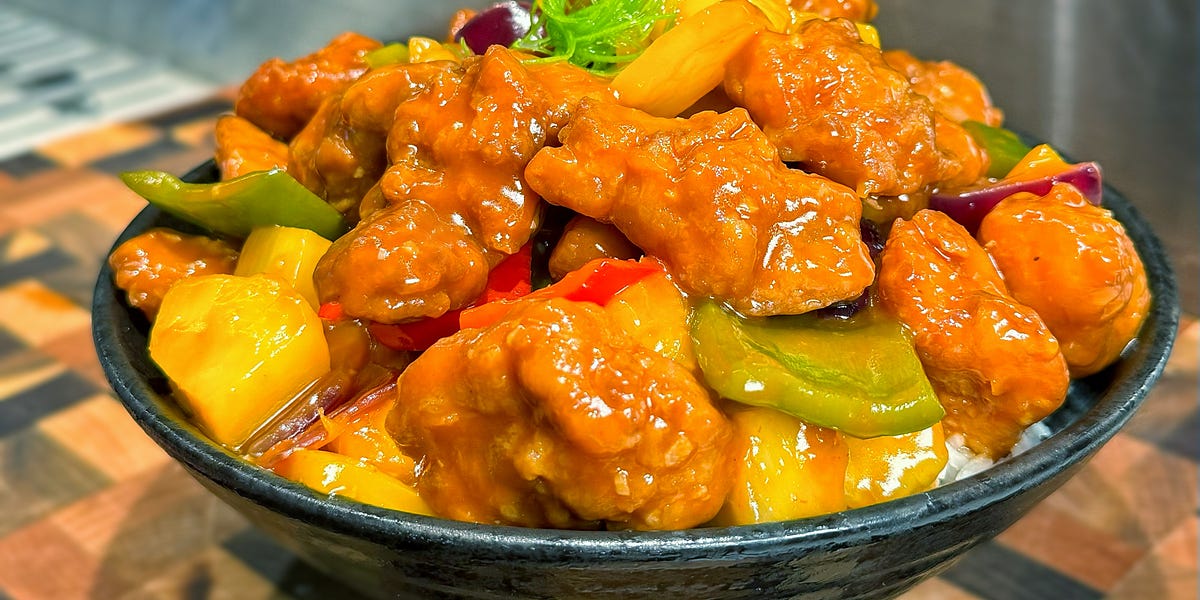
Mastering Flavour Harmony: The 2026 Guide to Sweet, Sour, and Umami Balance
TL;DR: Achieving culinary excellence in 2026 hinges on the sophisticated balance of sweet, sour, and umami. This guide provides a comprehensive framework for understanding and applying these fundamental tastes to elevate your cooking, ensuring dishes are not just palatable but deeply satisfying and memorable. It focuses on structural integrity, ingredient synergy, and advanced palate training for modern kitchens.
Quick Answer: Balancing sweet, sour, and umami involves strategically integrating ingredients that contribute these core tastes to create a harmonious and complex flavour profile, preventing any single element from dominating and ensuring a well-rounded, deeply satisfying culinary experience that resonates with contemporary palates and nutritional understanding.
Context: Why This Matters in 2026
In 2026, the culinary landscape is more discerning than ever. Consumers are not just seeking delicious food; they demand experiences that are balanced, nuanced, and reflective of global influences. The art of balancing sweet, sour, and umami is no longer a niche skill but a fundamental requirement for any serious cook or food professional. This works because a well-balanced dish transcends simple enjoyment, tapping into our innate sensory preferences and delivering a profound sense of satisfaction. The key difference is that modern palates are increasingly sophisticated, moving beyond overt single-flavour dominance towards a more integrated and subtle interplay of tastes.
Sweetness: The Foundation of Comfort and Depth
Sweetness is often the first taste we encounter, offering immediate comfort and familiarity. In practical terms, it acts as a crucial counterpoint, softening harsh edges and rounding out other flavours. Beyond refined sugars, natural sweetness can be found in a myriad of ingredients such as caramelised onions, roasted root vegetables like carrots and beets, and even dairy products. The main reason for incorporating sweetness thoughtfully is to build depth and complexity, rather than merely making a dish sugary. For instance, a slow-cooked tomato sauce benefits immensely from the natural sugars in tomatoes caramelising, which elegantly balances their inherent acidity. Similarly, a touch of honey or maple syrup in a vinaigrette can mitigate bitterness in leafy greens, creating a more inviting salad. Restraint is paramount; a small amount can transform a dish, while excess can flatten its character.
Sourness: The Catalyst for Vibrancy and Contrast
Sourness is the invigorating force in cooking, sharpening the palate and injecting vitality into dishes that might otherwise feel heavy or dull. It is the element that provides crucial contrast, preventing flavour fatigue. Sources of acidity are diverse, including citrus fruits like lemon and lime, various vinegars, fermented foods such as kimchi or sauerkraut, and even certain yoghurts. This works because acidity cuts through richness, brightens overall flavours, and enhances the perception of freshness. Consider how a squeeze of fresh lemon juice can awaken a grilled fish or how a splash of apple cider vinegar can lift a hearty stew. The key difference is that sourness doesn’t just add a tart note; it actively interacts with other tastes, creating dynamic interplay. It plays a particularly vital role in balancing sweetness, as seen in classic sweet-and-sour preparations or fruit-based desserts with a tangy component. Precision is key; gradual addition and constant tasting ensure that sourness elevates rather than overwhelms.
Umami: The Essence of Savoury Satisfaction
Umami, often described as the fifth taste, is the profound savoury quality that makes food deeply satisfying and full-bodied. It’s a lingering sensation that coats the tongue, providing a sense of completeness. In practical terms, umami acts as a natural flavour enhancer, connecting and harmonising other tastes. Rich sources include aged cheeses like Parmesan, mushrooms, ripe tomatoes, miso, soy sauce, and cured meats. This works because umami-rich ingredients contain glutamates, amino acids that stimulate specific taste receptors, creating that characteristic savoury depth. The main reason umami is so prized in 2026 cuisine is its ability to intensify flavour without adding excessive salt or fat. A small amount of mushroom powder in a soup, or a dash of fish sauce in a stir-fry, can significantly elevate the dish’s complexity and mouthfeel. It doesn’t demand attention but rather deepens the entire flavour conversation, making each bite more profound.
Common Mistakes in Flavour Balancing
Even experienced cooks can fall prey to common pitfalls when attempting to balance flavours. One frequent mistake is over-reliance on a single taste to correct an imbalance. For example, adding excessive sugar to mask an overly sour dish often results in a cloyingly sweet and ultimately unbalanced outcome. The key difference is that true balance comes from thoughtful integration, not brute-force correction. Another significant error is neglecting to taste throughout the cooking process. Flavours evolve dramatically as ingredients cook and meld; what tastes perfect at the beginning may require adjustment before serving. This works because constant tasting allows for incremental corrections, ensuring the final dish achieves optimal harmony. Furthermore, over-seasoning in general, driven by a desire to fix perceived blandness, can lead to an overwhelming flavour profile. Sometimes, less is more, and allowing ingredients to speak for themselves, supported by subtle balancing acts, yields superior results.
Practical Next Steps for Culinary Harmony
To truly master the art of flavour balancing, a systematic approach is beneficial. Start by consciously identifying the dominant taste in any dish you prepare or consume. Is it primarily sweet, sour, or umami? Once identified, consider which complementary taste would best enhance or temper it. For instance, if a dish feels too rich, think about introducing a sour element. If it lacks depth, consider an umami boost. In practical terms, experiment with small additions, tasting after each adjustment. This iterative process is crucial for developing an intuitive understanding of how these tastes interact. The main reason this approach is effective is that it trains your palate to recognise subtle shifts and anticipate outcomes. Additionally, explore diverse cuisines known for their sophisticated flavour balances, such as Thai, Japanese, or Mexican, to observe different cultural interpretations of sweet, sour, and umami.
Frequently Asked Questions
What is the ideal ratio for balancing sweet, sour, and umami?
There isn’t a fixed ideal ratio; balance is subjective and depends on the dish, ingredients, and desired outcome. It’s about creating harmony where no single flavour overpowers the others, rather than adhering to strict measurements.
Can I achieve balance using only natural ingredients?
Absolutely. Nature provides abundant sources for all three tastes. Honey, fruits, and root vegetables offer sweetness; citrus, vinegars, and fermented foods provide sourness; and mushrooms, tomatoes, and aged cheeses deliver umami.
How does cooking method affect flavour balance?
Cooking methods significantly impact flavour development. Roasting can intensify sweetness through caramelisation, while braising allows flavours to meld and deepen umami. Steaming preserves the bright acidity of vegetables, showcasing how technique is integral to balance.
Is umami the same as salty?
No, umami is distinct from salty. While many umami-rich ingredients also contain salt (like soy sauce), umami refers to a savoury, brothy, or meaty taste, whereas saltiness is specifically the taste of sodium chloride. Umami deepens flavour; salt enhances it.
Why is balancing these three flavours so important in 2026?
In 2026, culinary trends emphasise nuanced, sophisticated, and globally-inspired dishes. Mastering sweet, sour, and umami balance is crucial for creating food that is deeply satisfying, complex, and aligns with evolving preferences for more natural flavour profiles.
