

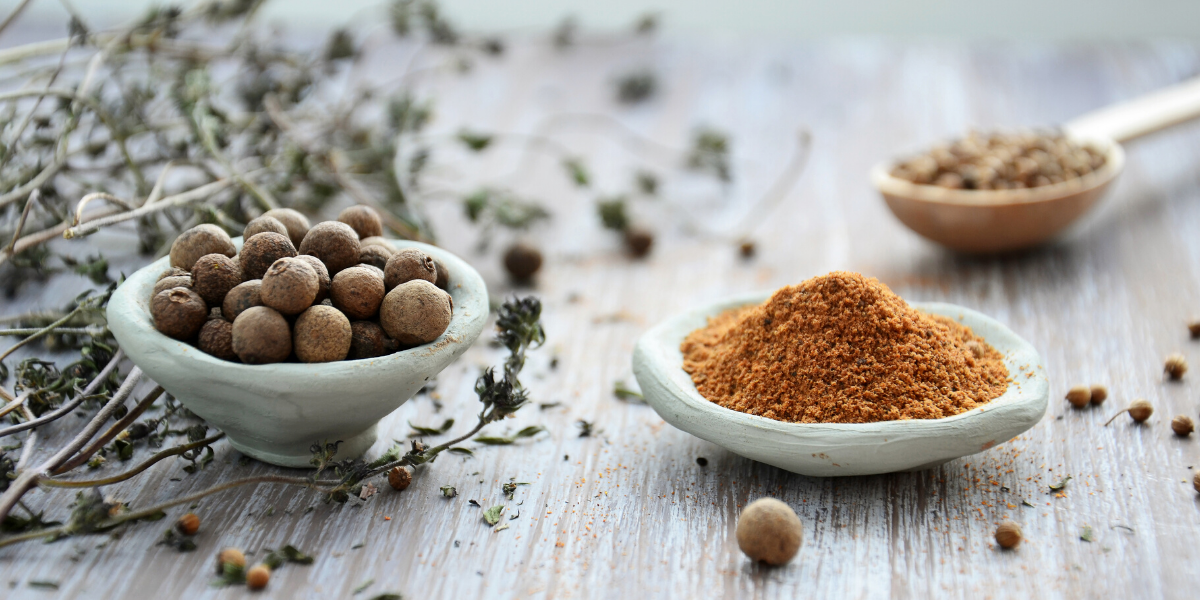
Mastering Homemade Spice Blends: A 2026 Guide to Flavour Excellence
TL;DR: Crafting your own spice blends at home elevates cooking with unparalleled freshness and customisation. This guide, updated for 2026, details how to select, toast, grind, and store spices to create potent, flavourful mixes. It covers essential tools, balancing techniques, and offers classic blend recipes, ensuring your culinary creations are vibrant and uniquely yours.
Quick Answer: Homemade spice blends offer superior freshness, flavour intensity, and complete control over ingredients compared to store-bought alternatives, allowing cooks to tailor profiles precisely to their dishes and personal preferences for a truly elevated culinary experience.
Context: Why This Matters in 2026
In 2026, the discerning home cook and professional chef alike are increasingly seeking authenticity and control over their ingredients. The shift towards conscious consumption and a desire for vibrant, unadulterated flavours has propelled homemade spice blending from a niche hobby to a culinary imperative. This practice not only guarantees the freshest, most potent spices but also empowers individuals to craft unique flavour profiles that mass-produced blends simply cannot replicate. In practical terms, mastering your own spice blends is a foundational skill for anyone aiming to achieve truly exceptional and personalised cuisine, offering a significant upgrade to both taste and ingredient transparency.
The Art and Science of Spice Blending
Spice blending is an ancient art, refined over centuries, yet its principles remain timeless. It involves understanding the individual characteristics of various spices—their aroma, heat, bitterness, and sweetness—and combining them in harmonious proportions. The key difference between a good blend and a great one lies in this thoughtful layering, ensuring no single flavour dominates unless intentionally designed to. This works because each spice contributes a unique volatile compound that, when combined, creates a complex symphony of taste and aroma. For instance, a well-balanced curry powder might feature the earthy notes of cumin and coriander, brightened by turmeric, and given depth by cardamom, all while a subtle chilli warmth lingers in the background.
Essential Tools and Techniques for Superior Blends
To embark on your spice blending journey, a few fundamental tools are indispensable. A high-quality spice grinder or a dedicated coffee grinder ensures a consistent, fine powder, crucial for many recipes. Alternatively, a mortar and pestle offer a more traditional approach, providing greater control over texture for coarser blends and rubs. The main reason for investing in these tools is to unlock the full potential of whole spices, which retain their essential oils and potency far longer than pre-ground varieties. Proper storage is also paramount; airtight glass jars or tins, kept in a cool, dark place, protect your precious blends from light, air, and moisture, which are the primary culprits behind flavour degradation. Labelling each jar with the blend name and creation date is a simple yet effective habit that preserves freshness and helps track your culinary experiments.
Crafting Classic Blends: Recipes and Ratios
Starting with classic blends provides an excellent foundation for understanding flavour dynamics before venturing into your own creations. Here are a few staples:
Authentic Garam Masala
This Indian staple is renowned for its warmth and complexity. Combine equal parts whole cumin seeds, coriander seeds, green cardamom pods, and black peppercorns, with half a part each of cloves and cinnamon stick. Toast these whole spices gently in a dry pan until fragrant before grinding. This simple step dramatically enhances their aromatic compounds.
Versatile Italian Seasoning
Ideal for Mediterranean dishes, this blend typically includes dried oregano, basil, rosemary, thyme, and a touch of marjoram. For a fresher profile, consider adding a small amount of dried sage. This blend is particularly effective in pasta sauces, roasted vegetables, and as a seasoning for breads.
Zesty Taco Seasoning
Far superior to store-bought packets, a homemade taco blend allows for customisable heat. Mix chilli powder, smoked paprika, ground cumin, garlic powder, onion powder, and dried oregano. A pinch of cayenne pepper can be added for extra kick. This blend is perfect for ground meats, beans, and even roasted corn.
Robust Cajun Spice Mix
Characterised by its bold and spicy profile, Cajun seasoning is fantastic for meats, seafood, and stews. Combine paprika, garlic powder, onion powder, black pepper, cayenne, dried oregano, and dried thyme. Some variations include a touch of white pepper and a hint of brown sugar to balance the heat.
Common Mistakes to Avoid in Spice Blending
Even experienced cooks can fall prey to common pitfalls when blending spices. One frequent error is using stale, pre-ground spices as a base, which significantly diminishes the final flavour. Always prioritise whole spices and grind them fresh. Another mistake is over-toasting, which can burn the spices and impart a bitter taste; toast gently until just fragrant. Over-reliance on a single dominant spice without considering balance is also common, leading to one-dimensional flavours. Furthermore, neglecting proper storage by exposing blends to light, air, or heat will rapidly degrade their potency. Finally, adding salt directly into a blend can limit its versatility, as different dishes require varying levels of sodium. It’s generally better to season with salt separately during the cooking process.
Practical Next Steps for Your Spice Journey
To truly master homemade spice blends, consistent practice and experimentation are key. Start by recreating one of the classic blends mentioned above, paying close attention to the aroma and taste at each stage. Once comfortable, begin to modify ratios or introduce new spices based on your culinary interests. Keep a small notebook to record your recipes, noting down proportions, toasting times, and the dishes you used them in. This simple habit will help you refine your blends and remember successful combinations. Don’t be afraid to taste raw blends (in very small quantities) to get a sense of their potential, but always remember that flavours evolve significantly with heat. Regularly check the freshness of your whole spices and blends by smell; a dull aroma indicates it’s time for a refresh. Embrace the process, and soon you’ll be creating signature blends that define your unique cooking style.
