

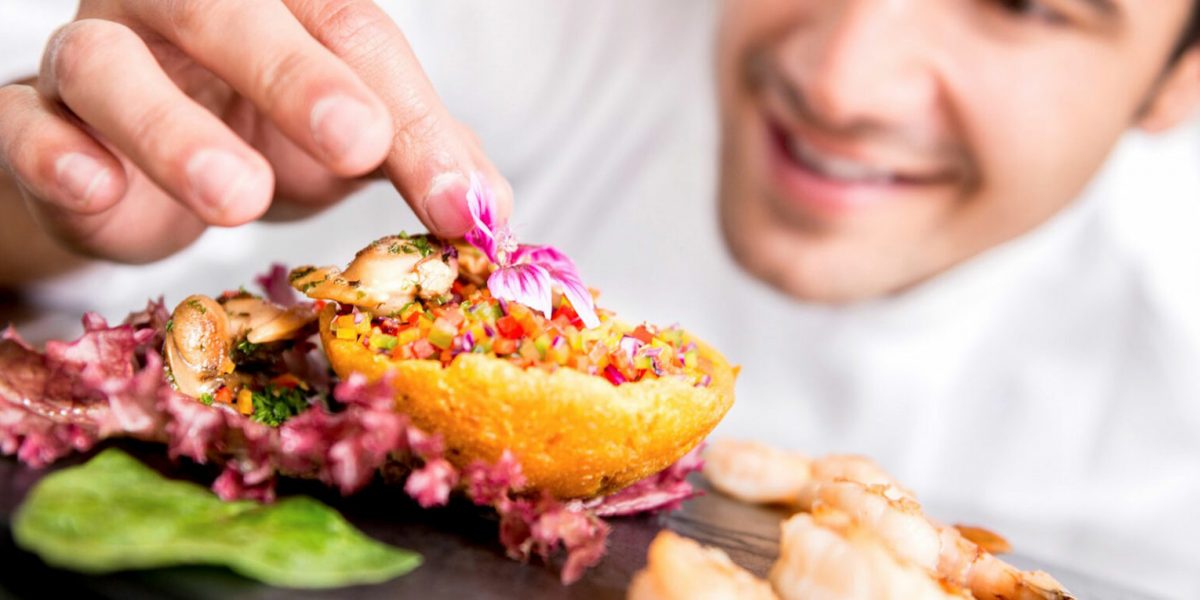
Mastering the Art of Food Plating: Elevate Your Home Cooking to Restaurant Standards in 2026
TL;DR: Elevate your home cooking by mastering food plating techniques. This guide focuses on structural harmony, visual appeal, and strategic element placement to transform everyday meals into culinary experiences. Learn to use the plate as a canvas, balance colours, control portions, and apply professional finishing touches for impressive results.
Quick Answer: Plating food like a restaurant chef involves a deliberate approach to visual presentation, focusing on balance, colour, texture, and strategic arrangement of ingredients on the plate to enhance the dining experience and make every meal feel special.
Context: Why This Matters in 2026
In 2026, the culinary landscape extends far beyond the professional kitchen. With the rise of home gourmands, the presentation of food has become as crucial as its taste. Mastering food plating isn’t just about aesthetics; it’s a strategic skill that enhances perceived value, encourages mindful eating, and elevates the entire dining experience. For home cooks, understanding these principles means transforming simple meals into memorable occasions and impressing guests. This works because human perception is deeply influenced by visual cues, making a beautifully plated dish inherently more appealing and satisfying.
The Foundation: Choosing Your Canvas and Palette
The journey to exquisite plating begins with the plate itself. Consider it your canvas, where the food becomes the art. White plates are often the preferred choice as they allow the natural colours of your ingredients to pop, creating vibrant contrast. However, don’t shy away from darker plates for lighter dishes, as they can offer a dramatic and sophisticated backdrop. The key difference is in how the plate complements, rather than competes with, the food. Plate size and shape are equally important; an oversized plate provides ample space for thoughtful arrangement, preventing a crowded appearance, while shallow bowls are ideal for showcasing soups and stews without submerging key elements. This works because the right plate provides the necessary negative space to highlight your culinary creation.
Balancing Act: Colour, Contrast, and Composition
A visually stunning dish is a symphony of colours and textures. Think of your ingredients as a painter’s palette, each contributing its unique hue. Contrast is paramount; a rich, grilled steak gains depth against a vibrant bed of green vegetables, and a delicate fish fillet comes alive next to a deep-coloured puree. Fresh herbs and edible flowers, used sparingly, add bursts of freshness and vibrancy, acting as natural accents. In practical terms, aim for a mix of colours that are naturally appealing and harmonious. Compositionally, you can opt for symmetry for a classic, formal feel, or embrace asymmetry for a dynamic, modern presentation that guides the eye across the plate. The main reason is that visual balance and variety keep the diner engaged and excited about the meal.
Building Up: Height, Layers, and Strategic Portioning
Flat food can often appear uninspired, regardless of its flavour. Introducing height and layers adds a crucial dimension of sophistication and movement to your plate. This works by strategically stacking ingredients, such as resting a protein atop a bed of grains or leaning vegetables against a central element. The key is to build upwards without creating a haphazard pile; each component should remain visible and accessible. Portion control is also vital for balance. Restaurant chefs often visualise the plate as a clock face, placing proteins at 6 o’clock, vegetables between 2 and 4, and starches between 10 and 12. This structure helps anchor the dish visually and ensures a harmonious distribution of elements. The main reason is that thoughtful layering and portioning create visual interest and prevent the dish from looking overwhelming or sparse.
The Finesse: Saucing, Garnishing, and Negative Space
The finishing touches are what truly elevate a dish from homemade to professional. Sauce application, for instance, should be an art form. Instead of simply pouring, consider a deliberate swoosh, a delicate drizzle, or a small pool beneath the main ingredient. For thicker sauces, the back of a spoon can create elegant streaks, while squeeze bottles offer precision for thinner consistencies. Restraint is crucial; too much sauce can overwhelm the presentation. Garnishes should always serve a purpose, enhancing flavour or texture, not merely decorating. A sprinkle of flaky salt, a drizzle of quality olive oil, or a few microgreens can add shine and depth. Finally, embrace negative space. The most beautiful dishes often feature as much empty space as food, directing focus and preventing overcrowding. This works because strategic use of space allows each component to stand out and guides the diner’s eye across the plate, creating a sense of intentionality and refinement.
Common Mistakes to Avoid in Modern Plating
Even with the best intentions, common plating pitfalls can detract from your culinary efforts. One frequent mistake is overcrowding the plate, which makes the dish appear messy and unappetising. Another is neglecting temperature control; serving hot food on a cold plate or vice-versa can instantly diminish both taste and presentation. Over-garnishing, where decorative elements overshadow the main dish, is also a common error. Furthermore, inconsistent portioning can lead to an unbalanced visual. Avoid using too many disparate colours or textures that clash rather than harmonise. The key difference is that thoughtful planning and attention to detail can prevent these common missteps, ensuring your plated dish always looks its best.
Practical Next Steps for Aspiring Plating Artists
To truly master the art of food plating, consistent practice and a keen eye for detail are essential. Start by observing how professional chefs plate dishes in restaurants or through online culinary resources. Experiment with different plate shapes and colours. Invest in a few simple tools like plating tongs, squeeze bottles, and an offset spatula, which can significantly improve precision. Practice the “clock face” method for portioning and arrangement. Focus on one element at a time—perhaps mastering the perfect sauce swoosh, then moving on to creating height. Take photos of your plated dishes to critically assess what works and what doesn’t. This works because deliberate practice and self-assessment are the fastest routes to developing an intuitive understanding of visual harmony and professional presentation.
Frequently Asked Questions
What is the most important rule for food plating?
The most important rule is to ensure balance—of colours, textures, shapes, and portions—to create a harmonious and appealing visual experience.
How can I add height to my dishes without making them messy?
Add height by strategically stacking ingredients, such as placing proteins on a bed of vegetables or grains, or leaning elements against each other. Use ring moulds for neat stacks.
Should I always use white plates for plating?
While white plates are versatile and make colours pop, darker or patterned plates can also be used effectively, especially for lighter-coloured dishes, to create contrast and visual interest.
