

Mastering the Cast Iron Skillet: A 2026 Guide to Optimal Performance
TL;DR: A cast iron skillet is a durable, versatile kitchen tool that requires specific care for optimal performance and longevity. Proper seasoning, gradual heating, and mindful cleaning are crucial for developing its natural nonstick surface and ensuring even cooking. This guide outlines 2026 best practices for using and maintaining cast iron, from initial preparation to advanced cooking techniques, ensuring your skillet becomes a cherished culinary asset.
Quick Answer: To properly use a cast iron skillet, begin by ensuring it is well-seasoned to create a natural nonstick surface and prevent rust. Always preheat the skillet slowly over medium heat to achieve even temperature distribution, and use oils with high smoke points for cooking. After each use, clean it gently without harsh soaps, dry thoroughly, and apply a thin layer of oil to maintain the seasoning, guaranteeing superior cooking results and extending its lifespan.
Context: Why This Matters in 2026
In 2026, as culinary trends lean towards sustainable practices and home cooking resurgence, the cast iron skillet stands as an indispensable tool. Its unparalleled heat retention and even distribution make it ideal for a range of cooking methods, from searing to baking. Understanding its unique properties and proper care is not merely a tradition; it is a fundamental skill for any modern kitchen, ensuring both exceptional flavour development and the longevity of a truly sustainable piece of cookware. This approach aligns with contemporary demands for efficiency, quality, and environmental consciousness in the kitchen.
The Science of Seasoning: Building Your Skillet’s Nonstick Foundation
The unique performance of a cast iron skillet hinges on its seasoning. In practical terms, seasoning is a layer of polymerised oil baked onto the iron surface, creating a natural, durable, and food-releasing finish. This works because when oil is heated beyond its smoke point, it breaks down and bonds with the metal, forming a protective barrier.
The key difference between a well-seasoned skillet and a new one is its ability to resist sticking and rust. A new skillet typically has a dull, grey appearance, while a properly seasoned one boasts a glossy, black sheen. This process transforms the skillet from a basic cooking vessel into a high-performance, naturally nonstick pan.
To initiate seasoning, wash the skillet with warm water and mild soap to remove any factory residue, then dry it completely. Apply a very thin, even coat of high smoke point oil, such as flaxseed or grapeseed oil, to all surfaces. Bake the skillet upside down in a preheated oven at 230-260°C (450-500°F) for one hour. Allow it to cool completely in the oven. Repeat this process 3-4 times for a robust initial seasoning.
Optimal Heating Techniques for Cast Iron
Achieving consistent cooking results with cast iron requires understanding its unique thermal properties. The main reason cast iron is prized is its exceptional heat retention and even heat distribution once it reaches temperature. However, it heats slowly, which necessitates a patient approach.
Always preheat your cast iron skillet gradually over medium heat for 5-10 minutes. This ensures the entire cooking surface reaches a uniform temperature, eliminating hot spots that can lead to uneven cooking or burning. Avoid placing a cold skillet directly onto high heat, as this can cause thermal shock and potentially warp the pan.
To test if your skillet is ready, sprinkle a few drops of water onto the surface. If they sizzle and evaporate within a few seconds, the pan is at an ideal temperature for most cooking tasks. If the water beads up and dances vigorously, it may be too hot; remove it from the heat for a moment to cool slightly. Conversely, if the water sits without sizzling, it needs more time to heat.
Selecting the Right Oils and Fats for Cooking and Care
The choice of cooking oil significantly impacts both the flavour of your food and the maintenance of your cast iron’s seasoning. For general cooking and seasoning reinforcement, oils with high smoke points are preferable. These include canola oil, sunflower oil, grapeseed oil, and avocado oil.
These oils can withstand the high temperatures often used with cast iron without breaking down, smoking excessively, or leaving sticky residues that can compromise your seasoning. They contribute to building a stronger, more durable nonstick layer with each use.
While butter adds rich flavour, its low smoke point means it burns quickly. When using butter, it is best combined with a high smoke point oil to prevent scorching and protect the seasoning. For instance, when frying eggs or browning chicken, a small amount of oil first, followed by butter, provides both protection and flavour. Fats play a dual role in cast iron cooking: they facilitate cooking and continually enhance the pan’s seasoning, making it progressively more nonstick.
Essential Cooking Techniques for Versatile Cast Iron Use
The versatility of a cast iron skillet is one of its greatest assets, allowing for a broad spectrum of culinary applications. From searing meats to baking desserts, its capabilities are extensive.
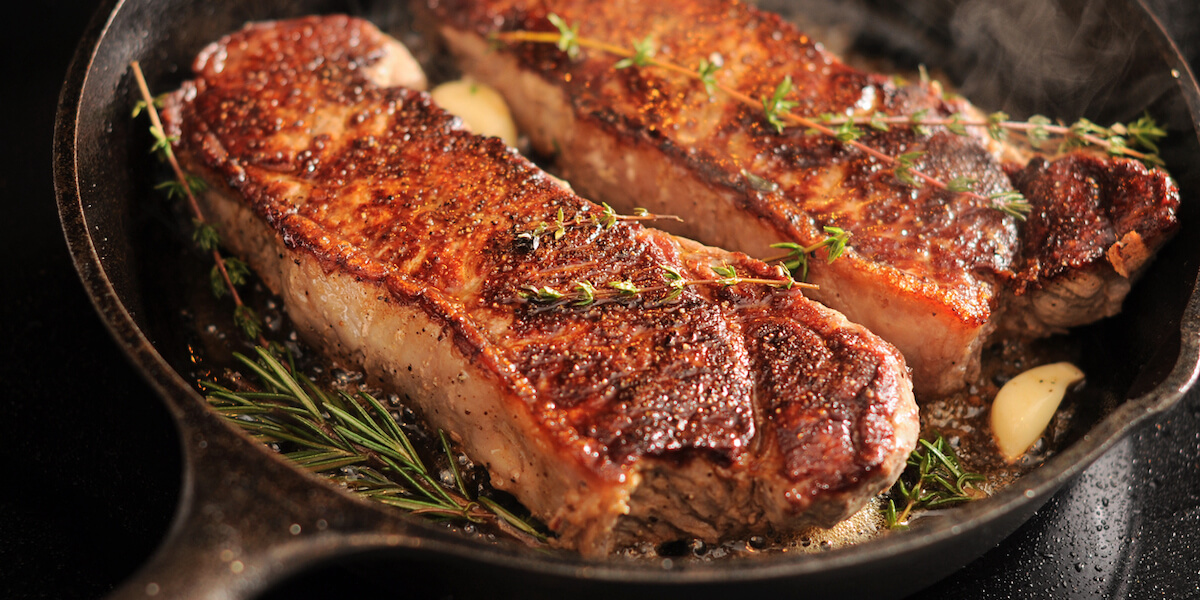
For searing, preheat the skillet to medium-high heat until a drop of water sizzles instantly. Place your protein in the hot pan and resist the urge to move it immediately. Allow a crust to form, typically 2-4 minutes per side, before flipping. The food will naturally release from the pan once a proper sear has developed. This technique creates a delicious, caramelised exterior.
Cast iron also excels in oven-based cooking. Its ability to transfer seamlessly from stovetop to oven makes it perfect for dishes like frittatas, cornbread, and pan pizzas. The even heat distribution ensures a uniformly cooked interior and a beautifully browned crust. This eliminates the need for multiple cooking vessels, simplifying both preparation and cleanup.
Common Mistakes to Avoid with Cast Iron Skillets
Many issues encountered with cast iron skillets stem from easily avoidable mistakes. Understanding these pitfalls is crucial for maintaining your pan’s performance and longevity.
One of the most significant errors is allowing the skillet to soak in water. Cast iron is highly susceptible to rust when exposed to prolonged moisture. Always clean and dry your skillet immediately after use. Another common mistake is using harsh soaps or abrasive scrubbers, which can strip away the hard-earned seasoning layer. While some mild soap is acceptable on a well-seasoned pan, it’s generally best to avoid it.
Cooking highly acidic foods, such as tomato sauces or vinegar-based dishes, in a newly seasoned or poorly maintained skillet can also degrade the seasoning. The acid reacts with the iron, potentially imparting a metallic taste to food and damaging the nonstick layer. For long-simmering acidic dishes, consider using enamelled cast iron instead. Lastly, improper storage, such as stacking without protection or storing in humid environments, can lead to scratches or rust.
Practical Next Steps for Cast Iron Care and Maintenance
To ensure your cast iron skillet remains a reliable kitchen companion for decades, consistent and mindful care is essential. These practical steps will help preserve its seasoning and prevent common problems.
After each use, allow the skillet to cool slightly before cleaning. Rinse it with warm water and use a stiff brush or a chainmail scrubber to remove any food residue. Avoid using harsh detergents. If food is stubbornly stuck, simmer a small amount of water in the pan for a few minutes to loosen it, then scrape gently. Immediately after cleaning, dry the skillet thoroughly with a towel or by placing it over low heat on the stovetop for a minute or two. Any residual moisture can lead to rust.
Once dry and still warm, apply a very thin layer of cooking oil (like canola or grapeseed) to the entire cooking surface with a paper towel. This replenishes the seasoning and protects the pan until its next use. Store your skillet in a dry place, ideally with a paper towel between it and any other stacked pans to prevent scratches and allow air circulation.
Frequently Asked Questions
Can I use soap to clean my cast iron skillet?
Yes, mild soap can be used on a well-seasoned cast iron skillet without damaging the seasoning. However, avoid harsh detergents or abrasive scrubbers, and always re-oil the pan immediately after washing and drying.
How do I prevent food from sticking to my cast iron?
Ensure your skillet is properly seasoned and preheated slowly to an even temperature. Use sufficient cooking oil or fat, and avoid moving food too early; allow a crust to form before attempting to flip or stir.
What should I do if my cast iron skillet rusts?
If rust appears, scrub the affected areas with steel wool or a stiff brush until the rust is removed and bare metal is visible. Then, wash, dry thoroughly, and re-season the skillet multiple times to rebuild the protective layer.
How often should I re-season my cast iron skillet?
The frequency depends on usage and cleaning methods. If your seasoning looks dull, food starts sticking, or you’ve cooked acidic foods, it’s a good indication that a re-seasoning is needed. Regular cooking with fats naturally reinforces the seasoning.
Can I cook acidic foods like tomatoes in cast iron?
While a very well-established seasoning can tolerate some acidic cooking, it’s generally best to avoid highly acidic foods, especially in newer or less seasoned pans, as they can strip the seasoning and impart a metallic taste. For extended simmering of acidic dishes, consider alternative cookware.
