

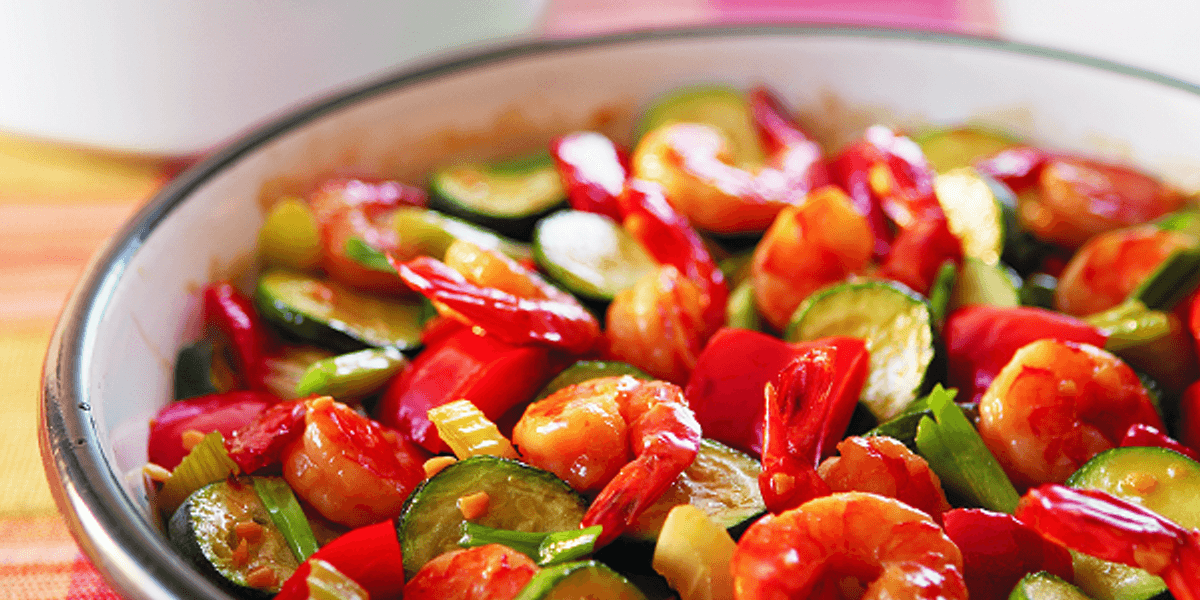
Mastering Culinary Heat: Sautéing, Searing, and Simmering for Superior Flavour
TL;DR: Understanding the distinct applications of sautéing, searing, and simmering is crucial for elevating home cooking. Sautéing offers quick, even cooking for delicate ingredients, searing creates rich, caramelised crusts on proteins, and simmering gently develops deep flavours and tenderises tougher cuts. Mastering these fundamental heat techniques allows for versatile culinary creations and professional-quality results.
Quick Answer: Sautéing involves cooking quickly over medium-high heat with minimal fat, ideal for vegetables and thin meats; searing uses intense high heat to form a flavourful crust, often as a precursor to other methods; and simmering employs low, gentle heat to tenderise ingredients and meld flavours over an extended period, perfect for stews and sauces.
Context: Why These Techniques Matter in 2026
In 2026, with an increasing focus on mindful eating, ingredient quality, and home-cooked meals, mastering fundamental cooking techniques like sautéing, searing, and simmering is more relevant than ever. These methods are not just about applying heat; they are about understanding the science of flavour development, texture transformation, and nutrient preservation. For the modern home cook, proficiency in these areas translates directly into more delicious, healthier, and economically sensible meals, moving beyond basic recipes to true culinary artistry. The key difference is that these techniques allow for a deeper connection with ingredients, ensuring every dish reaches its full potential.
Sautéing: The Art of Quick, Even Cooking
Sautéing, derived from the French word for ‘jump’, is a dynamic cooking method that uses medium-high heat and a small amount of fat to cook food quickly and evenly. This works because the rapid heat exposure cooks ingredients efficiently while preserving their texture and vibrant colour. It’s particularly suited for delicate vegetables, seafood, and thinly sliced meats. The main reason is that constant movement in the pan prevents burning and promotes uniform cooking, resulting in tender-crisp textures and a light golden-brown finish. In practical terms, always preheat your pan before adding oil, and keep ingredients moving to achieve the best results.
Searing: Unlocking Deep Flavour and Texture
Searing is a high-heat technique designed to create a rich, caramelised crust on the surface of food, primarily proteins like steaks, chicken, or firm vegetables. This process, known as the Maillard reaction, develops complex savoury flavours and appealing textures that cannot be achieved with lower heat. The key difference is the intense, direct heat that rapidly browns the exterior while often leaving the interior less cooked, making it an ideal first step before finishing in an oven or braising liquid. For optimal searing, ensure your food is dry and your pan is extremely hot, resisting the urge to move the food until a deep crust has formed. This works because the dry surface and high heat allow for maximum contact and efficient browning.
Simmering: The Gentle Path to Tenderness and Depth
Simmering is a slow, gentle cooking method that involves maintaining a liquid just below boiling point, typically between 85°C and 96°C (185°F and 205°F). This technique is indispensable for developing deep, complex flavours and tenderising tougher cuts of meat and fibrous vegetables in dishes like stews, soups, and sauces. The main reason is that the sustained, low heat gradually breaks down connective tissues and allows flavours to meld without overcooking or disintegrating delicate ingredients. In practical terms, simmering is about patience; it transforms humble ingredients into rich, comforting meals. Always start by bringing liquids to a boil, then reduce the heat to a gentle bubble to maintain control.
Common Mistakes in Heat Application
Many home cooks inadvertently sabotage their dishes by making common errors in applying these fundamental heat techniques. For sautéing, overcrowding the pan is a frequent mistake; this lowers the pan’s temperature, causing food to steam rather than brown, leading to soggy results. When searing, impatience is the enemy; moving food too soon prevents the formation of that desirable crust. Another error is using wet ingredients, which inhibits the Maillard reaction. For simmering, the most common pitfall is using too high a heat, leading to a rolling boil instead of a gentle bubble. This can toughen meats, break down sauces, and cause ingredients to disintegrate, compromising both texture and flavour. Understanding these pitfalls is the first step to avoiding them.
Practical Next Steps for Culinary Mastery
To truly master sautéing, searing, and simmering, begin by focusing on one technique at a time. Practice sautéing vegetables until they are consistently tender-crisp and beautifully browned. Experiment with searing different proteins, observing how the crust develops and how long it takes for each. Dedicate time to slow-simmered dishes, appreciating how flavours deepen and textures transform over hours. Invest in quality cookware, such as a heavy-bottomed stainless steel pan for sautéing and searing, and a Dutch oven for simmering. Pay close attention to temperature control and the sounds and aromas emanating from your pan. Remember, cooking is a sensory experience, and consistent practice will build your intuition and confidence in the kitchen.
Frequently Asked Questions
What is the primary difference between sautéing and searing?
Sautéing cooks food quickly and evenly over medium-high heat with movement, while searing uses intense high heat to create a deep, flavourful crust on one side of the food, often leaving it undisturbed for several minutes.
Why is it important to dry food before searing?
Removing moisture from the surface of food before searing is crucial because water turns to steam when heated, preventing the Maillard reaction (browning) from occurring. A dry surface allows for direct contact with the hot pan, promoting a crisp, flavourful crust.
Can I use a non-stick pan for searing?
While you can use a non-stick pan, it’s generally not recommended for searing. Non-stick surfaces typically don’t achieve or retain the high temperatures necessary for a proper Maillard reaction, which is essential for developing a deep, flavourful crust. Cast iron or stainless steel pans are superior for searing.
What is the ideal temperature for simmering?
The ideal temperature for simmering is just below boiling, typically between 85°C and 96°C (185°F and 205°F). At this temperature, small bubbles will gently rise to the surface, indicating a slow, steady cook that tenderises ingredients and allows flavours to meld without aggressive boiling.
How do these techniques contribute to flavour layering?
These techniques contribute to flavour layering by building different flavour profiles at various stages. Searing creates a foundational savoury crust, sautéing develops aromatic bases, and simmering allows these initial flavours to meld and deepen over time, resulting in a more complex and harmonious final dish.
