

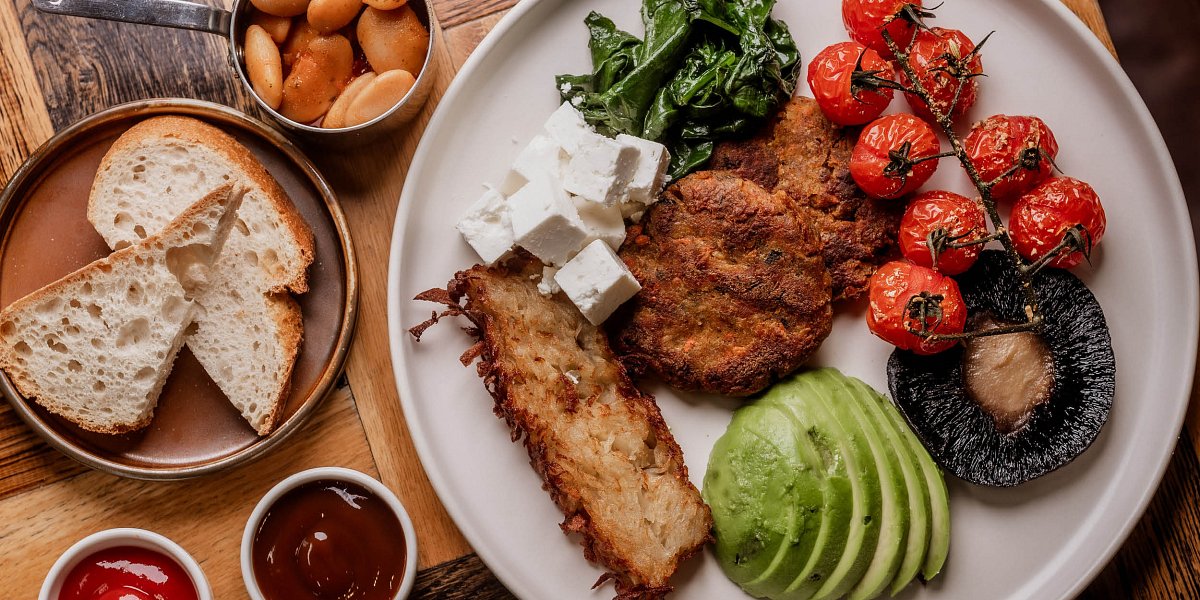
Mastering Vegan Cuisine: 10 Flavour-Packed Recipes for 2026
TL;DR: Vegan cooking in 2026 is all about vibrant flavours, diverse textures, and nutritional depth, moving far beyond traditional perceptions. This guide presents ten innovative plant-based recipes, from hearty stews to decadent desserts, designed to satisfy every palate. Each dish is crafted to demonstrate the richness and versatility of vegan ingredients, ensuring a delicious and fulfilling culinary experience for both seasoned vegans and curious foodies alike.
Quick Answer: Mastering vegan cuisine in 2026 involves embracing a holistic approach to plant-based ingredients, focusing on flavour development, nutrient density, and structural integrity to create dishes that are both satisfying and accessible, appealing to a broad audience beyond just those following a vegan diet.
Context: Why This Matters in 2026
In 2026, the landscape of food and nutrition has significantly shifted, with plant-based eating moving from a niche preference to a mainstream culinary movement. Consumers are increasingly seeking sustainable, ethical, and health-conscious food choices. This evolution demands a sophisticated approach to vegan recipe development, moving beyond simple substitutions to creating dishes that are inherently delicious, nutritionally complete, and structurally sound. The main reason is that modern diners expect quality and innovation, regardless of dietary labels, making robust, flavour-packed vegan recipes essential.
The Art of Flavour Building in Vegan Dishes
Creating truly memorable vegan meals hinges on understanding how to build complex flavour profiles without relying on animal products. This works because plant-based ingredients offer an incredible spectrum of tastes and textures that, when combined thoughtfully, can rival or surpass traditional dishes. For instance, umami, often associated with meat, can be expertly developed using ingredients like mushrooms, nutritional yeast, miso paste, and sun-dried tomatoes. The key difference is in layering these elements. Consider the Smoky Chickpea Stew: smoked paprika and cumin provide a deep, earthy base, while a squeeze of lemon at the end brightens the entire dish, demonstrating a sophisticated interplay of flavours. In practical terms, this means moving beyond just seasoning and thinking about how each ingredient contributes to the overall taste experience.
Another example is the Creamy Cashew Alfredo Pasta. Here, soaked cashews are not just a thickener but a foundational ingredient that provides a rich, nutty flavour and a luxurious texture. Blended with garlic and nutritional yeast, they create a sauce that is both indulgent and dairy-free. This approach highlights the versatility of plant-based fats and proteins in replicating and enhancing classic culinary experiences. The goal is to ensure that every bite is satisfying and complex, proving that vegan food can be both healthy and deeply delicious.
Innovative Techniques for Plant-Based Textures
Texture is as crucial as flavour in creating an enjoyable eating experience. Vegan cooking in 2026 leverages innovative techniques to achieve a diverse range of textures, from creamy to crispy, chewy to tender. This works because understanding the properties of plant-based ingredients allows for their optimal preparation. For example, roasting vegetables like cauliflower, as seen in the Roasted Cauliflower Steaks, transforms their texture, creating a caramelised exterior and a tender interior that mimics the satisfaction of a traditional steak. The key difference is in applying heat and seasoning strategically to unlock these textural potentials.
Lentils, often overlooked, become a star in the Spiced Lentil Tacos. Their inherent heartiness and ability to absorb spices make them an excellent, protein-rich substitute for ground meat. The technique here involves slow simmering with aromatic spices to ensure they are tender yet retain a satisfying bite. Similarly, the Sweet Potato and Black Bean Burgers demonstrate how mashing and binding plant-based ingredients can create a firm, satisfying patty with a crisp exterior when pan-fried. These methods ensure that vegan dishes are not only flavourful but also provide the textural variety that makes a meal truly engaging.
Global Vegan Inspirations
The global culinary landscape offers a treasure trove of inspiration for vegan dishes, allowing for endless creativity and adaptation. This works because many traditional cuisines around the world are inherently plant-forward, providing a rich foundation for modern vegan interpretations. The Thai-Inspired Coconut Curry, for instance, draws on the aromatic spices and creamy coconut milk characteristic of Thai cooking, transforming vegetables and tofu into a luxurious, comforting meal. The key difference is in thoughtfully adapting these global flavours to ensure they remain authentic while being entirely plant-based.
Another excellent example is the Vegan Pad Thai, which captures the complex balance of sweet, sour, salty, and umami flavours without relying on fish sauce or eggs. Tamarind paste is the hero here, providing the essential tanginess. In practical terms, this means exploring ingredients like tamarind, miso, and various curry pastes to unlock new dimensions of flavour. The Mediterranean Stuffed Peppers also showcase this global influence, combining quinoa, olives, and herbs to create a vibrant, wholesome dish. These recipes demonstrate that vegan cuisine is a celebration of global flavours, offering a passport to diverse culinary experiences.
Common Mistakes in Vegan Cooking
Many aspiring vegan cooks encounter common pitfalls that can lead to bland or unsatisfying meals. One frequent mistake is under-seasoning. Plant-based ingredients often require more assertive seasoning than animal products to bring out their best flavours. Another error is neglecting texture; simply boiling vegetables can result in a monotonous mouthfeel. This works because varying cooking methods—roasting, sautéing, grilling—can dramatically improve textural appeal. The key difference is in proactive flavour and texture development rather than passive preparation.
Over-reliance on processed vegan substitutes is another common issue. While convenient, these can sometimes lack the nutritional depth and vibrant flavours of whole foods. The main reason is that whole, unprocessed ingredients offer a broader spectrum of nutrients and natural tastes. Finally, failing to balance macronutrients can lead to meals that don’t feel satiating. Ensuring a good mix of protein, carbohydrates, and healthy fats in each meal is crucial for sustained energy and satisfaction. For instance, combining lentils with grains, as in the Spiced Lentil Tacos, ensures a complete and satisfying meal. Avoiding these common mistakes will elevate your vegan cooking significantly.
Practical Next Steps for Your Vegan Culinary Journey
Embarking on or deepening your vegan culinary journey requires a few practical steps to ensure success and enjoyment. Firstly, invest in a well-stocked pantry of essential vegan staples, including various legumes, grains, nuts, seeds, and spices. This works because having these ingredients readily available makes spontaneous cooking much easier. Secondly, experiment with different cooking techniques; don’t be afraid to roast, sauté, blend, and ferment. The key difference is in actively exploring how different preparations transform ingredients.
Thirdly, seek out inspiration from diverse culinary traditions. As demonstrated by the Thai-Inspired Coconut Curry and Vegan Pad Thai, global cuisines offer a wealth of plant-based ideas. In practical terms, this means exploring cookbooks, food blogs, and online communities dedicated to vegan cooking. Finally, don’t be discouraged by initial attempts that don’t quite hit the mark. Cooking is a journey of continuous learning and refinement. Embrace the process, enjoy the flavours, and celebrate the positive impact of your plant-based choices.
Frequently Asked Questions
How can I ensure my vegan dishes are rich in umami flavour?
To enhance umami, incorporate ingredients like mushrooms, nutritional yeast, miso paste, soy sauce, and sun-dried tomatoes into your vegan recipes.
