

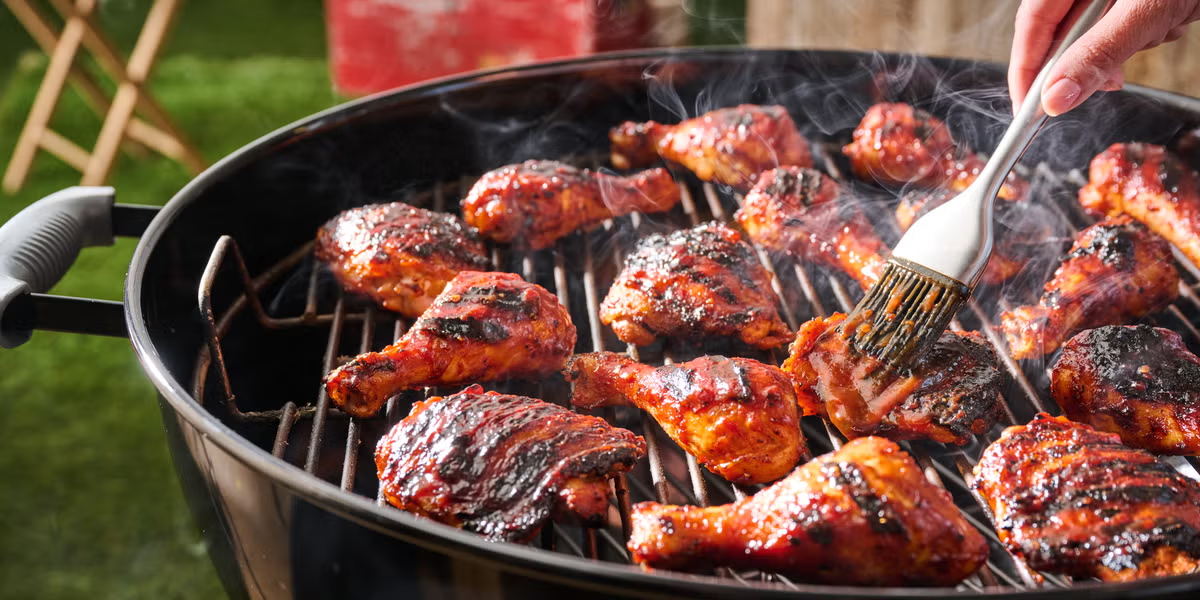
Mastering the Art of Grilling: Your 2026 Guide to Backyard Brilliance
TL;DR: This comprehensive guide unveils the secrets to becoming a grilling expert in 2026, focusing on heat control, ingredient preparation, and advanced techniques. Learn to select the right grill, master direct and indirect heat, and infuse food with smoky flavours. Discover how to avoid common mistakes and elevate your outdoor cooking with practical tips for meats, vegetables, and even desserts, ensuring every barbecue is a resounding success.
Quick Answer: Grilling like a professional in 2026 involves a strategic approach to heat management, precise ingredient preparation, and an understanding of flavour infusion techniques. By mastering direct and indirect heat, utilising appropriate marinades and rubs, and employing a reliable meat thermometer, you can consistently achieve perfectly cooked, flavourful results across a diverse range of foods, from succulent meats to charred vegetables and caramelised fruits.
Context: Why This Matters in 2026
In 2026, outdoor cooking has evolved beyond a simple pastime; it’s a culinary art form and a cornerstone of social gatherings. With increasing interest in home entertaining and gourmet experiences, the demand for high-quality, perfectly grilled food is higher than ever. Mastering grilling techniques not only enhances your personal culinary skills but also positions you as a host capable of delivering memorable dining experiences. This guide provides the foundational knowledge and advanced strategies necessary to excel in this dynamic culinary landscape, ensuring your grilled dishes are both delicious and impressive.
Selecting Your Grilling Arsenal: Types and Tools
The foundation of exceptional grilling begins with choosing the right equipment. In practical terms, your grill selection significantly impacts the flavour profile and ease of your cooking experience. Gas grills offer unparalleled convenience and precise temperature control, making them ideal for quick weeknight meals. Charcoal grills, however, impart a distinctive smoky flavour that is highly sought after, though they require more skill in heat management. Electric grills provide a smoke-free option, suitable for urban environments or indoor use.
Beyond the grill itself, essential tools elevate your craft. A reliable meat thermometer is crucial for ensuring food safety and achieving desired doneness. Long-handled tongs, a sturdy grill brush, and heat-resistant gloves are indispensable for safe and efficient operation. Investing in quality accessories, such as a grill basket for delicate items or a smoker box for wood chips, expands your culinary repertoire and enhances the overall grilling process.
Mastering Heat Zones: Direct and Indirect Techniques
The key difference between amateur and expert grilling lies in effective heat control. Understanding and utilising both direct and indirect heat zones is paramount for cooking a variety of foods to perfection. Direct heat, characterised by intense, high temperatures directly over the heat source, is best suited for searing, charring, and quickly cooking thinner cuts of meat like steaks, burgers, and vegetables. This works because the high heat rapidly caramelises the exterior, creating a flavourful crust.
Indirect heat, conversely, involves cooking food away from the direct heat source, allowing for slower, more even cooking at lower temperatures. This technique is ideal for larger cuts of meat such as whole chickens, roasts, or ribs, which require extended cooking times without burning. For charcoal grills, this is achieved by arranging coals to one side. For gas grills, simply turning off one or more burners creates a cooler zone. The main reason for using indirect heat is to gently cook food through, ensuring tenderness and juiciness while preventing the exterior from overcooking.
Ingredient Preparation: Marinades, Rubs, and Resting
The quality and preparation of your ingredients are fundamental to the success of any grilled dish. Always begin with fresh, high-quality meats, poultry, or seafood. Before seasoning, patting meat dry with paper towels is a critical step; moisture on the surface can hinder proper searing and browning, leading to a less flavourful crust.
Marinades and rubs are powerful tools for infusing flavour and tenderising tougher cuts. A marinade, typically an acidic liquid mixture with oils and herbs, penetrates the meat to add moisture and break down fibres. For instance, a blend of olive oil, garlic, rosemary, and lemon juice works wonders on chicken or lamb. Rubs, on the other hand, are dry seasoning mixtures that create a flavourful crust on the surface. A common rub for pork ribs might include paprika, brown sugar, garlic powder, and cayenne pepper. Allow sufficient time for marinades and rubs to work their magic, ideally at least 30 minutes, or several hours for deeper flavour penetration. Finally, resting meat after grilling is non-negotiable. This works because it allows the juices, which have been driven to the centre during cooking, to redistribute throughout the meat, resulting in a more tender and succulent final product. Skipping this step often leads to dry, less flavourful meat.
Common Grilling Mistakes to Avoid
Even seasoned grillers can fall prey to common pitfalls that compromise the quality of their food. One frequent error is overcrowding the grill. This lowers the overall temperature, leading to uneven cooking and steaming rather than searing. Always ensure there is adequate space between items for proper heat circulation. Another mistake is pressing down on meat with a spatula; while seemingly satisfying, this action squeezes out valuable juices, resulting in dry, tough meat.
Flipping food too frequently is another habit to break. Allow sufficient time for a crust to form and grill marks to develop before turning. Constant flipping disrupts the searing process and prevents the Maillard reaction, which is crucial for flavour development. Lastly, failing to preheat the grill adequately is a common oversight. A properly preheated grill ensures that food doesn’t stick and that searing begins immediately upon contact, locking in flavours and creating that desirable char.
Practical Next Steps for Grilling Excellence
To elevate your grilling prowess, consider these actionable steps. Firstly, invest in a high-quality instant-read thermometer to eliminate guesswork and ensure perfect doneness every time. Secondly, experiment with different types of wood chips (e.g., hickory for beef, applewood for poultry) to discover new flavour dimensions. Thirdly, develop a repertoire of versatile marinades and rubs that can be adapted to various ingredients.
Practise setting up two-zone cooking on your grill until it becomes second nature. This fundamental technique will unlock a wider range of cooking possibilities. Finally, make cleaning your grill a routine immediately after each use; a clean grill not only performs better but also prevents old food residues from tainting new flavours.
Frequently Asked Questions
What is the ideal internal temperature for a medium-rare steak?
For a medium-rare steak, the internal temperature should reach approximately 57-60°C (135-140°F) after resting.
How long should I rest meat after grilling?
Resting meat for 5-10 minutes after grilling allows juices to redistribute, ensuring a more tender and flavourful result.
Can I grill vegetables directly over high heat?
Yes, many vegetables like bell peppers, zucchini, and corn benefit from direct high heat to achieve a delicious char and enhance their natural sweetness.
What’s the best way to add smoky flavour to a gas grill?
To add smoky flavour to a gas grill, use a smoker box filled with pre-soaked wood chips, placed directly over a burner or between the grates and the flame tamers.
Why is it important to clean grill grates after each use?
Cleaning grill grates after each use prevents food from sticking, reduces flare-ups, and ensures that old residues don’t impart off-flavours to your freshly grilled food.
