

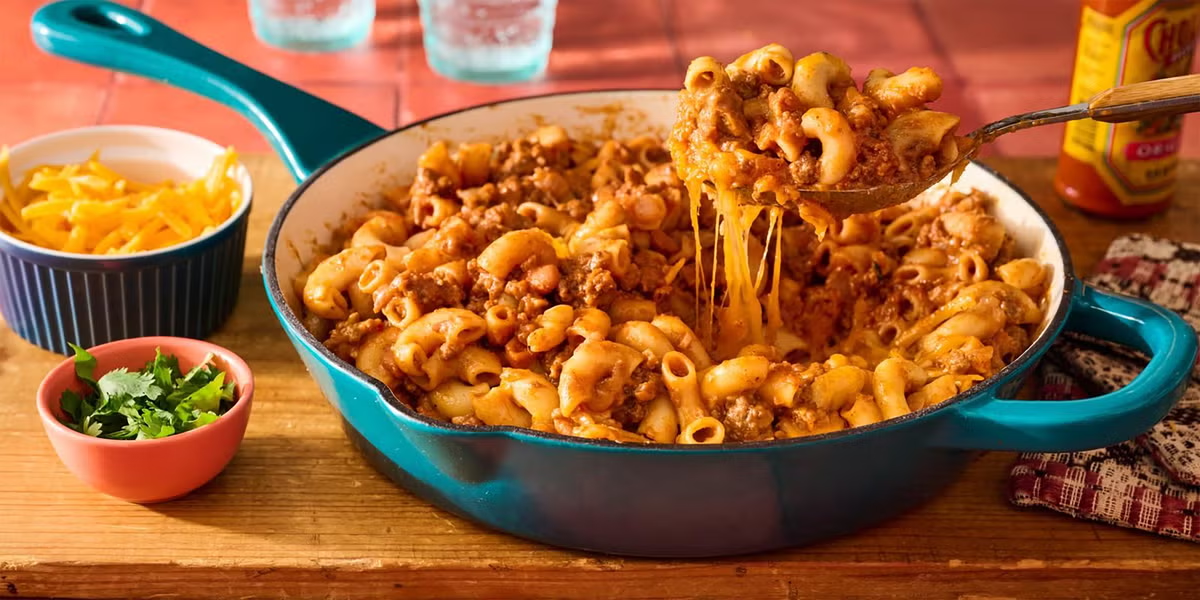
Mastering One-Pot Meals: Effortless Cooking for the Modern Kitchen
TL;DR: One-pot meals simplify cooking by consolidating ingredients and preparation into a single vessel, drastically reducing cleanup and maximising flavour. They are perfect for busy individuals and families seeking nutritious, delicious dinners without the fuss, offering a versatile solution for various dietary preferences and culinary styles. This guide explores the benefits, common pitfalls, and practical steps to integrate these efficient meals into your weekly routine.
Quick Answer: One-pot meals are culinary preparations where all ingredients are cooked together in a single pot, pan, or baking dish from start to finish, resulting in a complete dish with minimal washing up and often deeper, more integrated flavours. They are highly beneficial for their convenience, time-saving nature, and ability to produce satisfying, wholesome meals with less effort.
Context: Why This Matters in 2026
In 2026, the demand for efficient, nutritious, and sustainable home cooking solutions has never been higher. Modern households face increasing time pressures, making the traditional multi-pan dinner a daunting prospect. One-pot meals address this directly, offering a streamlined approach that aligns with contemporary lifestyles. This works because it minimises both active cooking time and post-meal cleanup, freeing up valuable hours. Furthermore, the integrated cooking process often enhances flavour profiles, as ingredients meld together more effectively. The main reason for their growing popularity is their ability to deliver wholesome, satisfying meals without compromising on taste or requiring extensive culinary skills, making them a cornerstone of smart kitchen management.
The Art of Simplicity: Understanding One-Pot Cooking
One-pot cooking is more than just a technique; it’s a philosophy centred on efficiency and flavour integration. In practical terms, it involves selecting ingredients that cook at similar rates or can be added in stages to achieve perfect doneness. The key difference from conventional cooking is the deliberate layering of flavours within a single vessel, allowing liquids, aromatics, and proteins to infuse each other. This approach not only saves time but also often results in richer, more complex dishes. For instance, browning meats and then deglazing the pot with broth captures all those delicious fond bits, which then become the foundation of your sauce. This method is particularly effective for stews, curries, pasta dishes, and baked meals, transforming everyday ingredients into something extraordinary with minimal fuss.
Building Blocks: Essential One-Pot Meal Components
Crafting a successful one-pot meal hinges on understanding its core components. Every great one-pot dish starts with a flavour base, typically aromatics like onions, garlic, and ginger, sautéed to release their essence. Next, proteins such as chicken, beef, lentils, or chickpeas provide substance and nutritional value. Vegetables, from root vegetables like carrots and potatoes to leafy greens like spinach, add colour, texture, and essential nutrients. The liquid component—broth, canned tomatoes, coconut milk, or even water—is crucial for cooking and creating a cohesive sauce. Finally, starches like rice, pasta, or quinoa absorb the liquids and flavours, making the meal hearty and complete. This works because each component plays a vital role in building a balanced and delicious dish, all within the confines of a single pot.
Common Mistakes to Avoid in One-Pot Cooking
While one-pot meals are inherently simple, certain pitfalls can hinder success. One common mistake is overcrowding the pot, which prevents ingredients from browning properly and can lead to steaming instead of searing, resulting in bland flavours. Another error is adding all ingredients at once, especially those with vastly different cooking times; this can lead to some components being overcooked and others undercooked. For example, delicate greens should be added towards the end. Over-reliance on water instead of flavourful liquids like broth or wine can also result in a less impactful dish. Finally, neglecting to season adequately throughout the cooking process means you miss opportunities to build depth. Avoiding these common errors ensures your one-pot creations are consistently delicious and perfectly cooked.
Practical Next Steps: Elevating Your One-Pot Game
To truly master one-pot cooking, consider these actionable steps. Experiment with different flavour profiles: explore Asian-inspired stir-fries, Mediterranean stews, or hearty American classics. Invest in a good quality, heavy-bottomed pot or Dutch oven, as even heat distribution is key. Plan your meals by considering ingredient cooking times; for example, tougher vegetables like carrots go in earlier than quick-cooking items like peas. Don’t be afraid to use frozen vegetables or pre-chopped ingredients to save even more time. Remember, the goal is to simplify, not to compromise on flavour. Embrace the versatility of your single pot, and you’ll unlock a world of effortless culinary possibilities.
Frequently Asked Questions
What are the main benefits of one-pot meals?
One-pot meals offer significant benefits including reduced cleanup, simplified cooking processes, enhanced flavour integration, and often a more balanced nutritional profile due to the combination of various food groups.
Can one-pot meals be healthy?
Absolutely. One-pot meals can be incredibly healthy, as they encourage the inclusion of diverse vegetables, lean proteins, and whole grains. The key is to choose fresh, wholesome ingredients and manage portion sizes.
What kind of pot is best for one-pot cooking?
A heavy-bottomed pot, Dutch oven, or a large, deep skillet with a lid are ideal. These types of cookware ensure even heat distribution and are versatile enough for browning, simmering, and baking.
How do I prevent ingredients from becoming mushy in a one-pot meal?
To prevent mushiness, add ingredients according to their cooking times. Tougher vegetables and proteins go in earlier, while quick-cooking items like delicate greens or fresh herbs should be added towards the end of the cooking process.
Are one-pot meals suitable for meal prepping?
Yes, many one-pot meals are excellent for meal prepping. Dishes like stews, curries, and casseroles often taste even better the next day and can be easily portioned and stored for future meals.
