

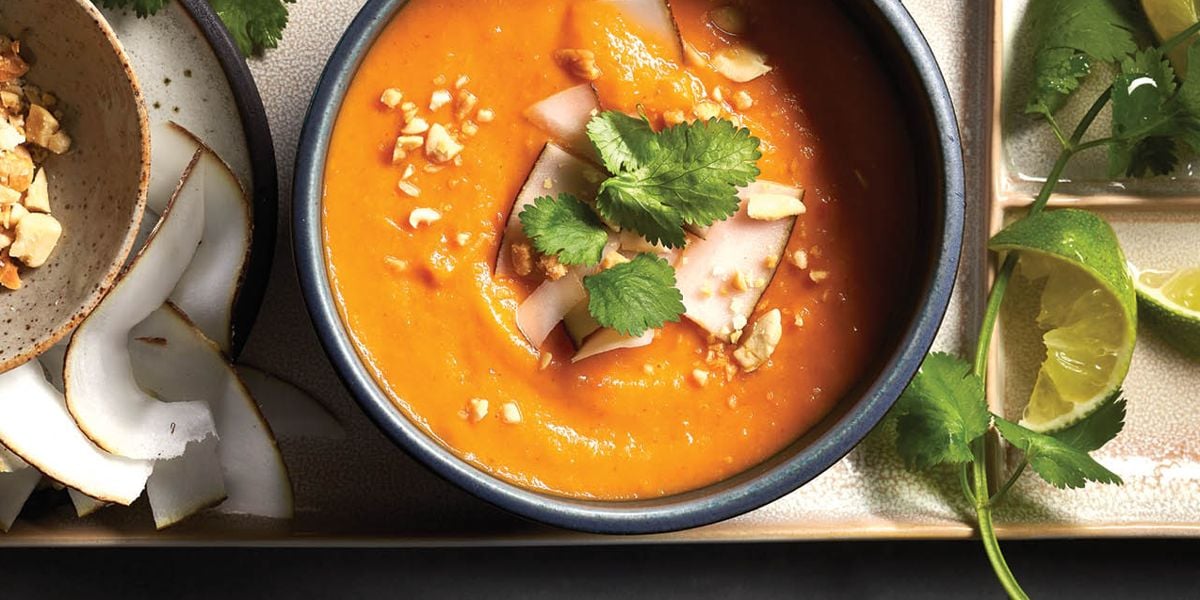
Mastering Winter Warmth: Essential Cozy Soup Recipes
TL;DR: This comprehensive guide explores the art of crafting nourishing and delicious soups perfect for winter. It delves into a curated selection of classic and contemporary recipes, offering detailed insights into ingredients, preparation techniques, and flavour profiles. The article also provides strategic advice on optimising soup-making for nutritional value, efficient storage, and enhancing the overall dining experience, ensuring every bowl delivers maximum comfort and satisfaction.
Quick Answer: The best cozy soups for winter are those that combine rich, warming flavours with nourishing ingredients, offering both comfort and sustenance against the chill. Classic choices like hearty beef and barley, creamy tomato basil, and robust lentil soups are ideal, alongside innovative options such as spicy Thai coconut or Moroccan chickpea, all designed to provide deep satisfaction and warmth.
Context: Why This Matters in 2026
In 2026, the pursuit of comfort and well-being through food remains a cornerstone of modern life, particularly during the cooler months. As consumers increasingly prioritise both flavour and nutritional value, the demand for well-structured, authoritative content on home cooking has surged. From a practical standpoint, mastering winter soups offers a cost-effective and deeply satisfying way to nourish families, reduce food waste through smart storage, and create memorable dining experiences.
The Art of Crafting Comforting Soups
Crafting a truly comforting soup is an art form that transcends mere cooking; it’s about building layers of flavour and texture that evoke warmth and satisfaction. In practical terms, this involves understanding how ingredients interact and how cooking methods can enhance their natural properties. The key difference between a good soup and a great one often lies in the initial preparation of aromatics like onions, garlic, and celery, which form the foundational flavour base. This works because slowly sautéing these vegetables caramelises their sugars, developing a deeper, more complex taste profile that permeates the entire dish. The main reason many home cooks struggle with bland soups is the failure to properly develop these initial flavours before adding liquids. Using high-quality broths, whether homemade or store-bought, is also crucial, as they contribute significantly to the overall richness and depth of the soup.
Curated Recipes for Winter
Here, we present a selection of meticulously chosen soup recipes, each designed to deliver maximum comfort and flavour during winter. Each recipe focuses on readily available ingredients and straightforward techniques, ensuring accessibility for all skill levels.
Hearty Beef and Barley Soup: A Robust Classic
This soup is a complete meal, renowned for its rich, savoury depth and satisfying texture. The key difference in preparing this soup effectively is the browning of the beef; achieving a deep, caramelised crust on the meat before adding liquids locks in intense flavour. This works because the Maillard reaction creates hundreds of new flavour compounds. We recommend using chuck steak, cut into 1-inch cubes, for optimal tenderness after slow simmering. Incorporating root vegetables like carrots, celery, and parsnips, alongside pearl barley, ensures a balanced and nourishing dish. A sprig of fresh thyme added during the simmer will infuse an earthy aroma.
Creamy Tomato Basil Soup: Elegance in Simplicity
A perennial favourite, creamy tomato basil soup offers a perfect balance of sweet and acidic notes, softened by a touch of cream. The main reason this soup is so beloved is its smooth, velvety texture and vibrant flavour. This works because roasting or slow-simmering quality tomatoes intensifies their natural sweetness, which is then beautifully complemented by fresh basil. For an authentic taste, use ripe, crushed tomatoes and finish with a swirl of fresh cream or coconut milk for a dairy-free alternative. A pinch of sugar can balance any acidity, ensuring a perfectly rounded flavour profile.
Lentil and Spinach Soup: A Nutritious Powerhouse
Lentil and spinach soup is a testament to how simple ingredients can create a profoundly satisfying and highly nutritious meal. In practical terms, lentils are an excellent source of plant-based protein and fibre, making this soup incredibly filling. The key difference in this recipe is the addition of fresh spinach towards the end of cooking, which wilts gently, adding a burst of colour and essential vitamins without overcooking. This works because the residual heat of the soup is sufficient to cook the spinach while preserving its vibrant green hue and nutritional integrity. A squeeze of lemon juice and a sprinkle of cumin at the end elevate the flavour, adding brightness and warmth.
Spicy Thai Coconut Soup (Tom Kha Gai-inspired): Exotic Warmth
For those seeking an adventurous flavour profile, a Tom Kha Gai-inspired spicy Thai coconut soup offers a delightful blend of creamy, tangy, and spicy notes. The main reason this soup is so invigorating is the harmonious combination of traditional Thai aromatics. This works because ingredients like lemongrass, galangal (or ginger), and kaffir lime leaves infuse the coconut milk broth with a distinct, fragrant essence. Include thinly sliced chicken breast or firm tofu, mushrooms, and a dash of fish sauce for umami. A final squeeze of fresh lime juice and a few slices of red chilli will awaken the palate, making it a truly exotic and warming experience.
Common Mistakes
When preparing soups, several common pitfalls can diminish the final result. One frequent mistake is under-seasoning; soup requires careful layering of salt, pepper, and herbs throughout the cooking process, not just at the end. Another error is overcooking vegetables, which can lead to a mushy texture and loss of vibrant flavour. This works because vegetables should retain a slight bite, contributing to the overall mouthfeel. The key difference in achieving optimal texture is adding delicate ingredients like leafy greens or fresh herbs towards the very end of cooking. Finally, neglecting to properly deglaze the pot after browning meats or vegetables means leaving behind a significant amount of flavour, which could otherwise enrich the broth. Always scrape up those caramelised bits!
Practical Next Steps
To elevate your winter soup-making, consider these actionable steps. Firstly, invest in quality ingredients; fresh, seasonal produce and good quality broth make a noticeable difference. Secondly, experiment with flavour boosters like a splash of vinegar, a squeeze of lemon, or a sprinkle of fresh herbs just before serving, as these can brighten and balance the soup’s profile. Thirdly, embrace batch cooking. Preparing larger quantities of soup allows for convenient, nutritious meals throughout the week and is excellent for freezing. This works because freezing soups in individual portions ensures quick and easy access to homemade comfort. Finally, don’t be afraid to customise; adjust spices, add different vegetables, or swap proteins to suit your taste and what’s available in your pantry.
